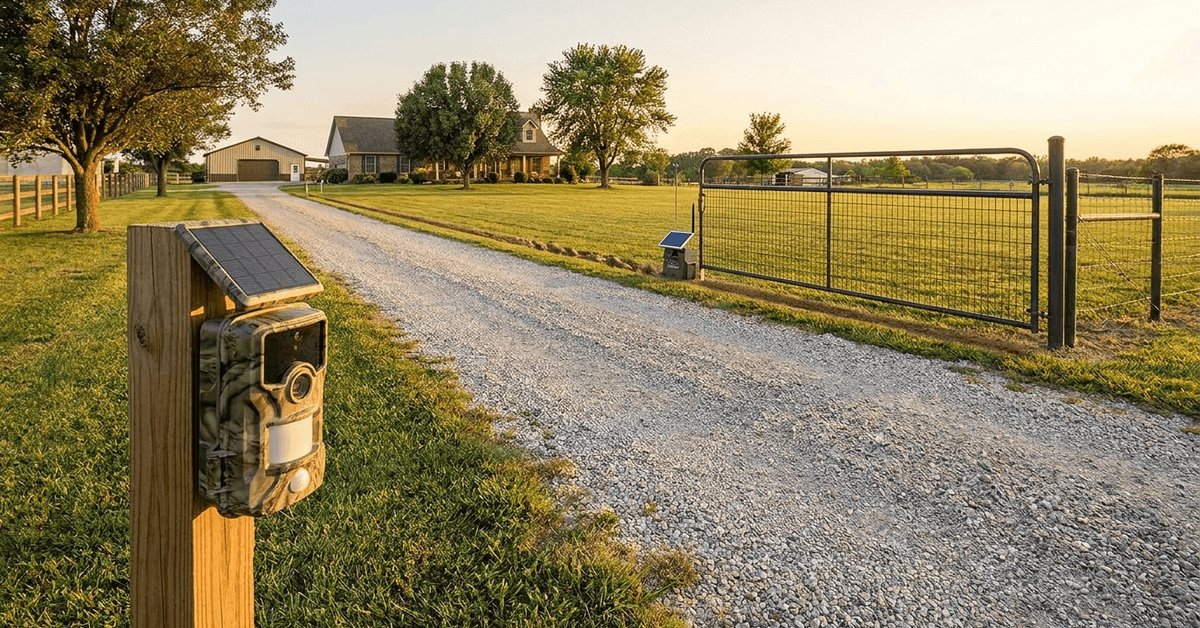
Large yards often pose a challenge for monitoring vehicle movement. Standalone drive alarms offer a practical solution for homeowners needing prompt driveway alerts without complicated installations or high costs.
This guide unpacks the basics, equipment choices, and step-by-step configuration to help safeguard your property with minimal fuss.
Why Standalone Drive Alarms Matter for Large Yards?
Wide properties usually have limited visibility near driveways. Standard indoor sensors rarely reach the required range. A dedicated alarm improves response times and property awareness.
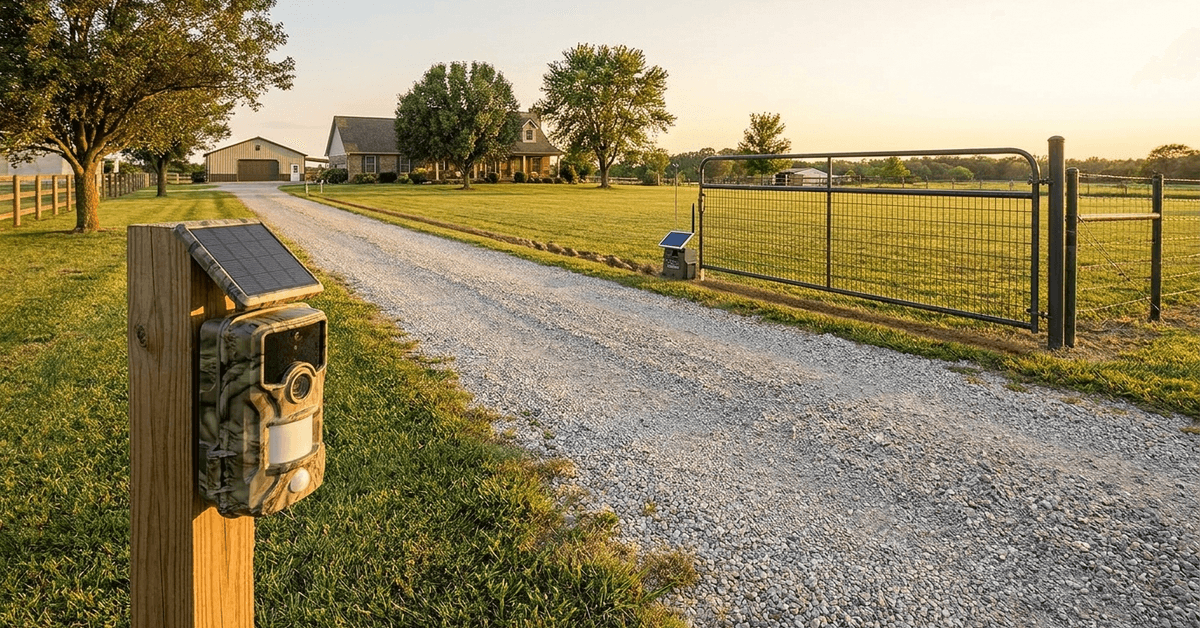
More expansive lots are difficult to monitor with traditional home security cameras alone. Many residents seek extra peace of mind for detached garages, barns, or outbuildings also spread across the property.
A standalone solution requires no integration with broader smart home ecosystems. It offers alerts independent of WiFi or home automation hubs.
Key Features of Reliable Standalone Drive Alarms
Before choosing a system, several features ensure consistent functionality for larger sites.
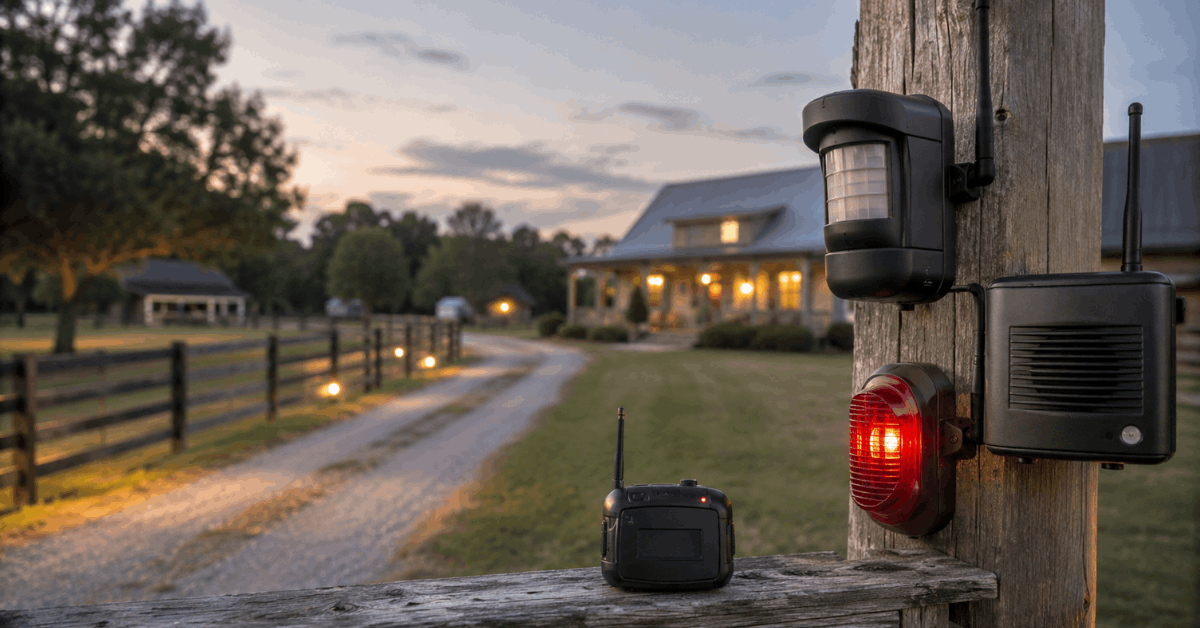
- Long-range detection up to 800 feet or more between sensor and receiver is essential for most acreages.
- Weather resistance rated IP65 or better to handle rain, dust, and sun exposure year-round.
- Customizable notification options: chime, flashing light, or portable pager, depending on property needs.
- Expandable sensor networks: many systems allow additional sensors for multiple entry points or zones.
Some models offer simple noise or light-based deterrents to startle intruders upon detection.
Popular Standalone Drive Alarm Models and Tech Protocols
Wireless Infrared (PIR) Driveway Sensors
Wireless motion-sensing alarms like the Guardline Wireless Driveway Alarm are popular for their robust range and easy configuration.
PIR (Passive Infrared) sensors spot heat and movement from vehicles or people moving past the detection field. False alarms can happen due to small wildlife or heavy wind, so strategic placement limits extraneous triggers.
Magnetic Probe Sensors
For higher accuracy, magnetic probe systems such as the Dakota Alert Vehicle Sensor use a buried probe to sense metal moving overhead.
This style greatly reduces false triggers from animals or blowing foliage but does require shallow trenching across the driveway.
Alerts arrive at a wireless receiver indoors, which can usually be placed up to 1,000 feet from the probe itself.
Solar-Powered Outdoor Sensors
Some solutions, like the Hosmart Solar Driveway Alarm, offer solar-charging sensors, reducing battery maintenance and making them ideal for outbuildings far from electrical supply.
Solar circuits help maintain standby readiness, and many sensors operate for multiple days after a full charge, even during cloudy weather.
Planning and Placement Best Practices
Larger yards require careful sensor placement. Blind spots near trees or curves may delay alerts.
Homeowners frequently place sensors 50-100 feet from road access or property gates, aiming for a direct, unobstructed detection path.
- Sensors should be 2-3 feet off the ground for optimal detection of car front ends or license plates.
- Test multiple locations before burial or permanent attachment to fences or posts.
- Keep transmitters away from dense metal or brick, which may block the wireless signal.
It is sometimes useful to mark test spots with small flags before committing to final positions.
Step-by-Step Setup for a Standalone Drive Alarm
1. Unboxing and Checking Components
Confirm the package contains all required parts: sensors, receiver(s), mounting brackets, power cables, and (for some models) magnetic probes.
2. Installing Power Sources
Follow the manual to insert batteries, connect solar panels if required, or plug in AC adapters.
Many systems have removable covers that clip or screw into place to shield power bays from weather.
3. Pairing Sensors to Receiver
Most wireless alarms come pre-paired, but some require matching frequency or channel codes. Consult your product’s quick-start guide for pairing instructions.
4. Field Testing Detection Range
Begin at the farthest target location along your driveway. Walk or drive past the sensor to check real-world trigger range.
Verify the receiver audibly alerts you at the intended distance from inside the main house or building.
5. Permanent Mounting
Once satisfied with performance, use included screws, posts, or zip ties to affix the sensor.
- For magnetic probes, dig a shallow trench across the drive (usually 6-12 inches deep) and lay the probe horizontally before filling it in with soil.
- For PIR or solar sensors, mount on a wooden stake or fence post at the selected height, ensuring a clear view of approaching vehicles.
6. Adjusting Sensitivity and Alerts
Many receivers allow volume, chime tone, or notification type adjustments. Some even support separate alerts for each sensor zone.
Experiment with settings to minimize false positives while ensuring prompt notification of actual vehicles.
Maintaining and Troubleshooting Standalone Drive Alarms
Battery life depends on sensor type and activity levels. Regularly test alarms and replace batteries or clean solar panels every 3–6 months.
Signal obstruction often results from new landscaping or metallic clutter. Periodically verify signal paths and relocate items as needed if performance has degraded.
If frequent false alarms persist, try lowering sensor sensitivity or slightly redirecting detection angles away from high-traffic animal paths.
Integrating Notification with Smart Devices
Although standalone, some modern alarms permit receiver connectivity to smart speakers or home automation hubs through external relays or audio triggers.
Users sometimes leverage systems with a relay output, integrating them via a device such as a Shelly relay or Sonoff for further notification through platforms like Alexa, SmartThings, or Google Home.
This approach extends driveway alerts to phone notifications or whole-home audio, blending standalone reliability with the convenience of smart home features.
Top App and Software Tools for Extended Monitoring
Standalone systems often function independently, but advanced users leverage add-ons:
- IFTTT: Triggers from compatible relay devices can fire routines or push notifications to multiple devices.
- Home Assistant: DIY integrations allow custom drive alarm automations or logging through ESPHome-enabled relays.
- Audio Alert Apps: Some receivers with headphone output can be wired into tablets or intercoms for distributed in-home notification.
These options suit homeowners looking for extra insight without overhauling their entire security infrastructure.
Conclusion
Large yards benefit significantly from standalone drive alarms, combining simplicity with effective early warning. Selection hinges on property layout and personal needs, from wireless PIR sensors to buried magnetic probes.
After choosing the best fit, basic setup involves power configuration, range testing, and careful positioning. Ongoing maintenance ensures continued reliability, making these systems a practical addition to any expansive property.
With these steps, most homeowners achieve prompt alerts for approaching vehicles without complex wiring or expensive monitoring. For those seeking integration, several modern models allow limited but effective crossover into existing smart home ecosystems.