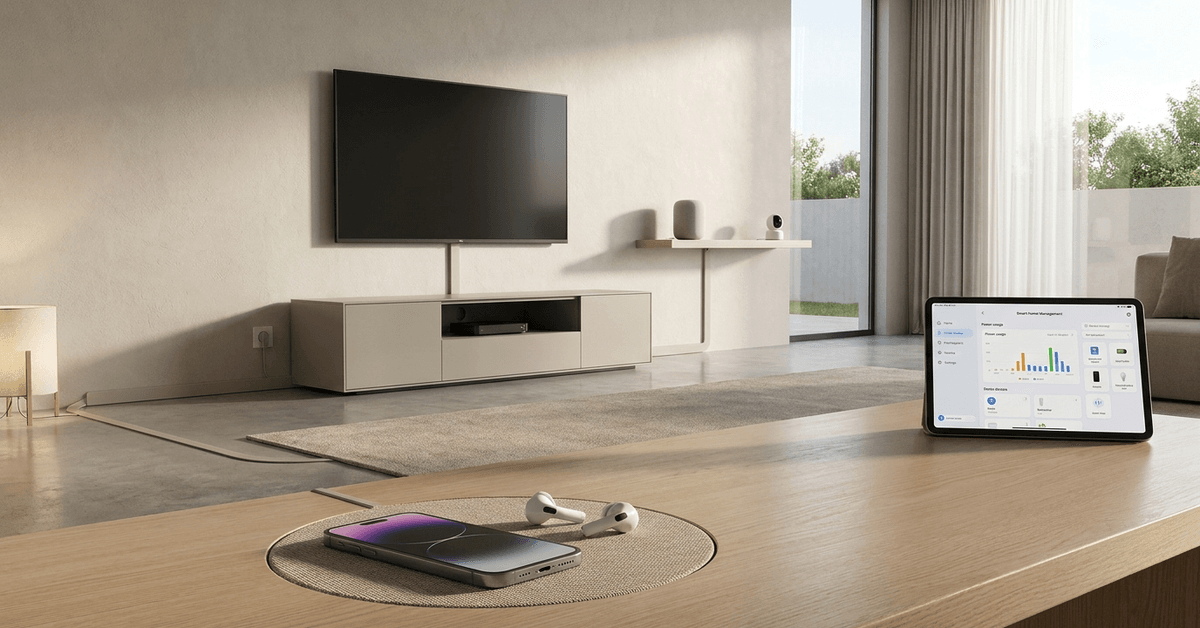
Every modern smart home thrives on convenience and visual harmony. For many, visible wires disrupt the streamlined look of living spaces. This guide addresses practical ways to keep your indoor smart gadgets powered invisibly.
Why Homeowners Prefer No-Wire Power Solutions?
Open-plan homes, minimalistic designs, or simply tight corners—wires have a way of standing out when you most want them hidden. Most people feel that visible cords undermine both style and safety.
Besides appearances, tripping hazards and dust collection add risk. Childproofing and pet safety are further boosted when wires are absent.
Popular Wireless Power Technologies for Smart Gadgets
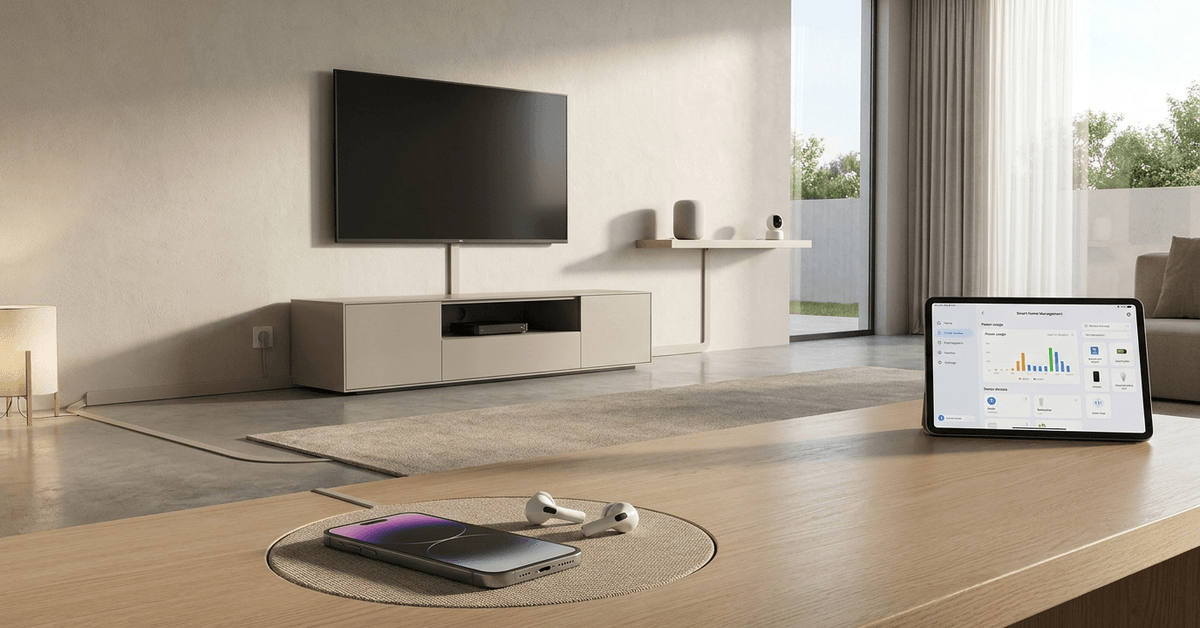
The most reliable way to avoid visible wires is to use wireless power transmission. Several methods and products have gained traction in the last few years.
Qi Wireless Charging
Qi , the widely adopted wireless charging standard, works with many smart speakers, lights, and camera hubs. Homeowners often build Qi pads into furniture for seamless charging.
Placement flexibility is an advantage, but power output is best suited for smartphones and devices under 15W.
Magnetic Resonance Charging
Unlike standard induction, magnetic resonance offers slightly more distance between chargers and devices. It allows some gadgets to charge even if not perfectly aligned with the pad.
This solution often appeals to users looking to power gadgets set within shelving or semi-hidden nooks.
Power Over Ethernet (PoE)
Power over Ethernet is a go-to professional option for cameras, access points, and sometimes smart displays. Single Ethernet cables deliver both data and power, reducing cord clutter.
While not fully wireless, PoE installations can be carefully routed through walls for near-invisible results.
Long-Range Wireless Power (Emerging)
Solutions like Ossia’s Cota or Wi-Charge transmit low-level power over air for small devices. These platforms are emerging and mostly found in commercial pilots so far.
Practical home use is not mainstream yet, but tech fans may want to keep an eye on developments in this area.
Step-by-Step: Concealing Wires Without Major Renovation
When wireless power isn’t an option, subtle wire management helps blend power delivery into the background. Many renters rely on these solutions for flexibility.
Surface-Mount Cable Raceways
Cable raceways are wall-mounted channels that snap closed over wires. Painted to match walls or baseboards, they help wires blend in almost completely.
Most raceways attach with adhesive strips, avoiding damage and making them renter-friendly.
Under-Carpet Power Routing
Flat extension cords or ribbon cables can slide under rugs where needed. Most are rated for smart device wattages but should never be pinched tight by heavy furniture.
Cautious users check local building codes and UL listings for safety.
Furniture-Integrated Power Hubs
Many desks, nightstands, or wall cabinets now come with built-in power. Some even feature hidden USB or wireless charging pads for a clutter-free look.
Custom furniture makers increasingly offer this as a primary selling point for smart homes.
Wall and Ceiling Wire Concealment
Wiremold and similar in-wall kits allow most users to pull wires behind drywall. No specialized skill is required, but checking for existing wiring before cutting is key for safety.
Helpful for powering smart cameras, panels, or soundbars where outlets aren’t nearby.
Choosing the Best Fit for Your Smart Home Setup
No single approach works for everyone. The ideal solution balances convenience, budget, and power needs.
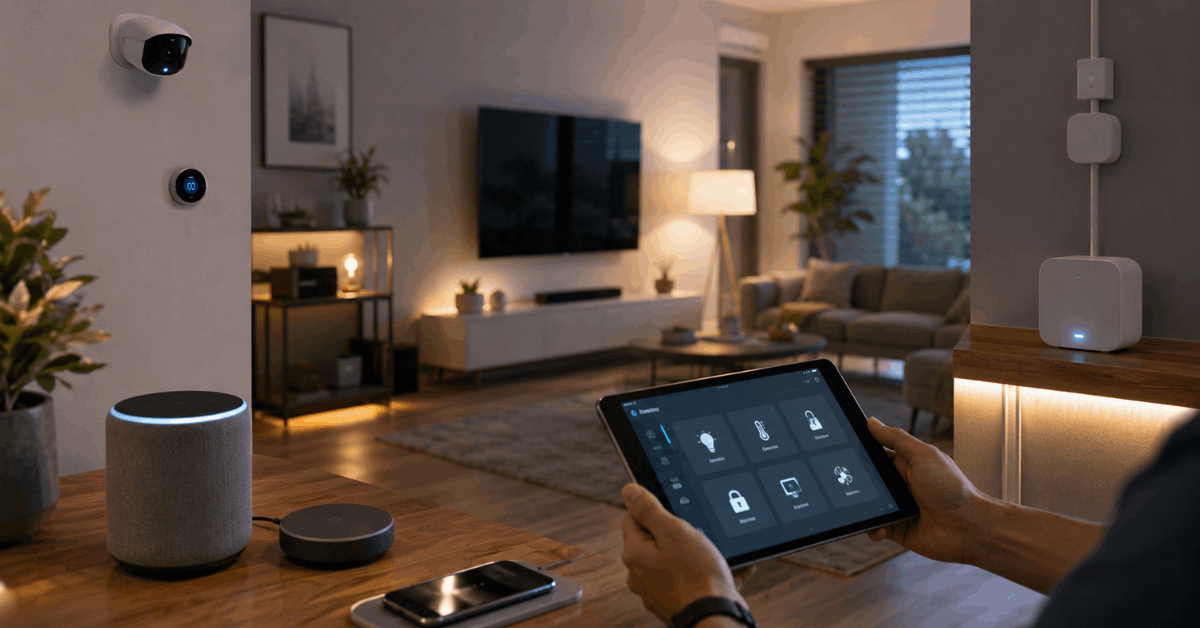
- For small gadgets (sensors, speakers): Consider Qi charging pads built into shelves or lamp bases.
- For permanent devices (security cams, thermostats): Professional PoE installation keeps things nearly invisible.
- In rental spaces: Adhesive raceways and furniture-based hubs offer no-commitment options.
- For early adopters: Explore emerging long-range wireless platforms as they reach the market.
Choosing products from reputable brands like Belkin, Ubiquiti, or IKEA adds peace of mind around longevity and safety.
Smart Power Management Apps and Automation
A well-powered setup does more with the right app controls. For users keen on efficiency, power monitoring and schedules help reduce vampire loads and keep operating costs transparent.
Kasa Smart App
The Kasa app works with many TP-Link outlets/power strips. Homeowners frequently use it to automate on/off schedules for chargers or lamps.
Weekly usage reports in-app bring visibility to each device’s impact.
Home Assistant (Open Source)
Home Assistant provides powerful automations if you run a mixed-brand smart home. Integrations with smart plugs, sensors, and PoE switches can help users coordinate device power-up and sleep routines for all rooms.
The dashboard lets users glance at real-time power use and tweak routines as life changes.
Google Home and Alexa App Controls
Both major smart platforms allow for energy monitoring with select compatible gadgets. Scenarios, like “Away Mode,” help smart homes power down all non-essential gadgets with a single tap.
This hands-off management is appreciated by those who want brains and power savings in one package.
Installation Best Practices and Safety Considerations
Neat power solutions add value, but safety can’t be overlooked. Each method has its own precautions:
- Wireless chargers should be kept away from water and heat sources.
- PoE requires checking voltage and device compatibility.
- Concealed flat cords must never be used where furniture or doors might crush wires.
- All cable management gear used should meet UL or CE safety certifications.
Many homeowners choose to consult an electrician when uncertain. It respects insurance requirements and gives confidence in ongoing safety.
How Clean Power Setups Improve Security & Maintenance?
Power methods that eliminate exposed wires don’t only look better. They make routine cleaning easier, reduce dust traps, and deter tampering or unplugging.
Security-focused homes particularly benefit, since fewer visible targets mean more reliable device uptime. This supports robust automation and data gathering for all smart gadgets.
Conclusion
Invisible power solutions have become central to smart home convenience and style. Whether you lean on the latest wireless tech or meticulous cable management, a blend of tools ensures every device stays powered, safe, and out of sight.
A practical approach means evaluating available infrastructure, considering your device mix, and taking future upgrades into account. Subtle, secure power delivers both peace of mind and a living space that always feels ready for what’s next.