Category: Everyday Protection & Automation

  • How to Automate Your Pool or Hot Tub Temperature Efficiently

    How to Automate Your Pool or Hot Tub Temperature Efficiently

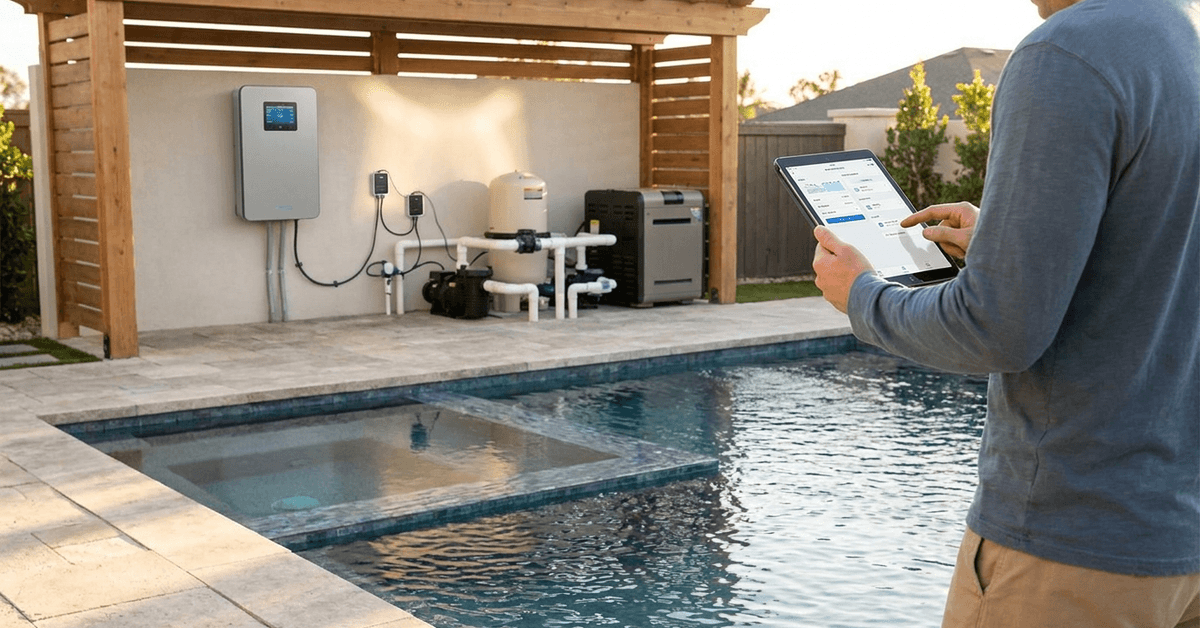
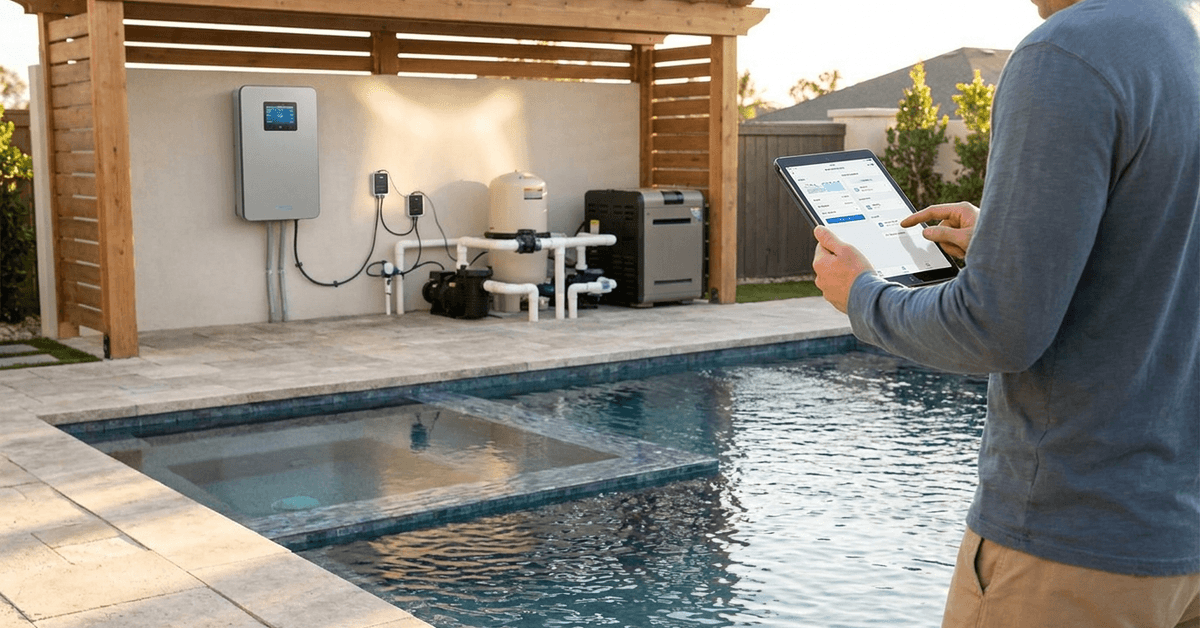
    Maintaining the ideal pool or hot tub temperature improves comfort and lengthens the swimming season. Smart automation technology now makes it practical to control heating efficiently without manually adjusting settings every day.

    This guide explores how modern homeowners and gadget fans can manage water temperatures with precision. The focus is efficient control, integration, and safety—suiting both tech enthusiasts and beginners.

    Why Automate Your Pool or Hot Tub Temperature?

    Automation makes sense for owners seeking consistent comfort while avoiding wasted energy. Traditionally, heaters cycle on and off without much logic.
    How to Automate Your Pool or Hot Tub Temperature Efficiently

    Smart control systems solve this problem. They monitor, adjust, and learn usage patterns over time. Results include real savings and fewer frustrating surprises.

    Energy Conservation

    Energy costs usually spike when heaters run longer than needed. Automated temperature management uses sensors to reduce unnecessary heating cycles throughout the day.

    Consistent Water Comfort

    With automation, the water stays ready at your preferred temperature. There is less risk of jumping in only to find your pool cold or your hot tub overheating.

    Convenience and Remote Access

    Mobile apps and voice controlled assistants make it possible to check and change temperatures from anywhere. This suits owners who travel or juggle busy routines.

    Choosing the Right Automation Equipment

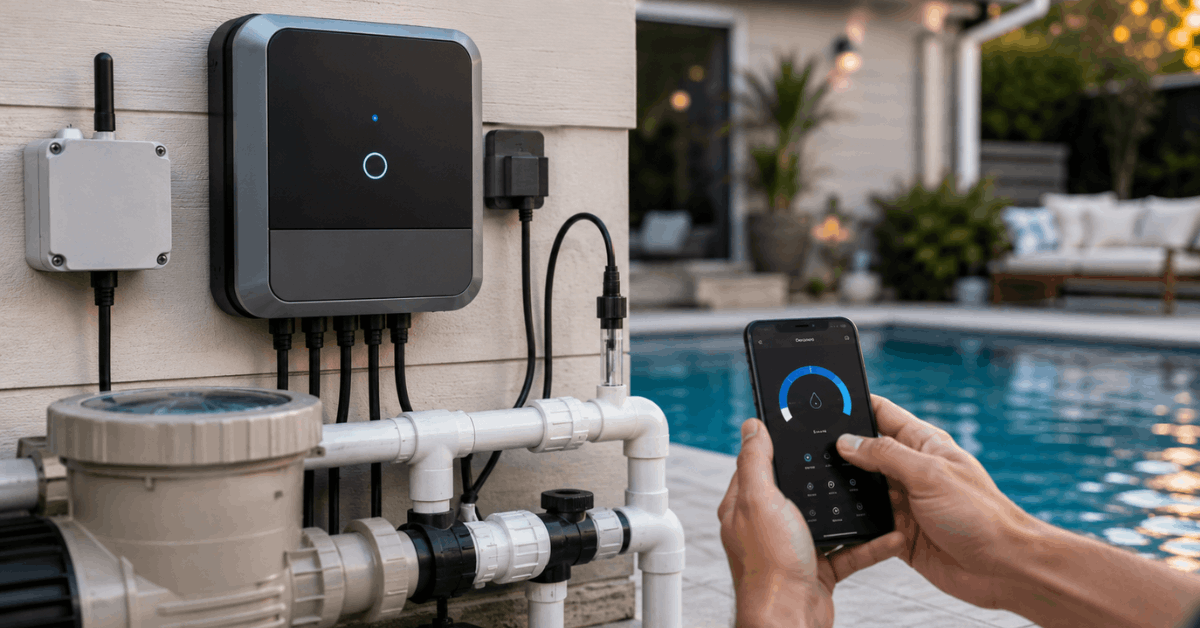
    The ideal solution blends well with your home ecosystem and existing pool or tub setup. A smart controller, thermostatic sensors, and network integration form the core components.

    Popular Smart Controllers

    Each option syncs with mobile apps and allows precise scheduling. They interface with pumps, heaters, and variable speed motors.

    Sensors and Remote Thermostats

    Accurate sensors are essential. Most smart controllers come with built-in support for digital water temperature probes.

    Wireless sensors extend your reach. Models from Honeywell and AquaCal are popular in residential pools.

    Integration Protocols

    • Z-Wave and Zigbee for broad smart home system compatibility
    • Wi-Fi for direct internet connectivity
    • Proprietary protocols unique to certain manufacturers

    Many premium kits are compatible with Alexa, Google Home, and Apple HomeKit. This opens voice activation and automations triggered by routines.

    Key Steps for Smart Temperature Automation

    Efficient automation requires careful planning and precise installation. Homeowners often find it useful to approach this as a phased project rather than all at once.
    How to Automate Your Pool or Hot Tub Temperature Efficiently

    Step 1: Assess Your Existing Equipment

    Inventory your heater, filtration, and existing wiring. If your heater supports digital inputs or relay control, integration is simpler.

    Step 2: Select a Compatible Smart Controller

    • Research compatibility with your heater brand
    • Confirm the number of circuit relays needed
    • Look for app support for both iOS and Android

    Step 3: Install Water Temperature Sensors

    • Probe style sensors are inserted in return lines or dedicated wells
    • Wireless sensors should have reliable signal strength in your pool area

    Step 4: Configure the Controller

    • Connect to home Wi-Fi or hub
    • Create an automation rule for target temperature
    • Set thresholds for heating and cooling triggers

    Step 5: Sync With Mobile Apps

    • Download the manufacturer’s app (e.g., Pentair Home )
    • Enable smart notifications and alerts
    • Allow remote or geofenced control

    Best Smart Devices and Apps for Pool Automation

    Reliable hardware and thoughtfully designed mobile apps make automation productive, not frustrating. Well-established manufacturers have the best support.

    Pentair IntelliCenter

    This system is popular for full-featured smart home pools. The mobile app provides granular schedules and alerts.

    Hayward OmniLogic

    OmniLogic integrates with Alexa and Google Home. Favorite routines include timer-based warmups before anticipated swims.

    Jandy iAquaLink

    iAquaLink suits mixed equipment brands and complex outdoor setups. The app allows device grouping for multi-pool estates.

    Advanced Automation Techniques

    Users looking for more than simple temperature on-off cycles can experiment with layered automation. The following approaches often yield above-average energy savings and comfort.

    Weather-Based Scheduling

    Some systems can be linked to weather API data. This helps anticipate cold fronts, preventing wasted energy on unnecessary heating.

    Occupancy and Proximity Sensors

    Presence sensors, such as those from Zooz or Fibaro, signal the controller to pre-heat water only if someone is nearby. This minimizes idle running.

    Multi-Zone Control

    Owners with both a pool and a connected standalone hot tub often configure separate zones. Each maintains its own temperature schedule for maximum efficiency.

    Tips for Efficient Temperature Management

    • Select a realistic target temperature based on season: 78-82°F for pools, 100-104°F for hot tubs
    • Schedule heat “ramps” only during anticipated usage times
    • Use covers routinely to prevent heat loss overnight
    • Monitor heater run times in your app dashboard
    • Limit remote adjustments to avoid accidental overuse

    Automation works best when paired with basic insulation and maintenance habits. Neglected covers or poor circulation often defeat even the smartest controller.

    Safety, Security, and Privacy Considerations

    Smart systems sometimes require users to register cloud accounts or expose devices to the internet. This introduces privacy considerations.

    Choose automation brands with a track record of prompt security updates. Using unique, strong passwords for your pool controller apps is a good idea.

    Physical Hardware Safety

    Professional installation is recommended for high-voltage equipment. Rooms with high humidity, such as pool pump sheds, need GFCI protection and corrosion-resistant hardware.

    Data Security

    Check for local control options, where temperature schedules stay within your home network and do not rely on cloud relays.

    Maintenance and Troubleshooting

    Smart gear needs occasional attention. Firmware updates should be completed via the official manufacturer’s app.

    • Test temperature sensors every few months for accuracy
    • Inspect physical wiring for corrosion or animal damage
    • Reboot controllers if apps disconnect frequently

    Major brands usually offer robust support forums or knowledge bases for self-help guides.

    Conclusion

    Automating pool or hot tub temperature offers a blend of comfort, efficiency, and peace of mind. The latest smart controllers now make it accessible for most homeowners—even those with modest tech skills.

    Equipment selection and careful setup are crucial. Brands such as Pentair IntelliCenter and similarly established names deliver reliable results with minimal daily oversight.

    Layering automations with weather-triggered routines or occupancy sensors further cuts costs and enhances convenience. Ensuring strong security and solid maintenance keeps your connected sanctuary safe and trouble-free.

    With the right tech, tedious temperature adjustments can become a thing of the past. Your pool or hot tub will always welcome you with perfect warmth, on demand and energy-smart.
  • How to Use Smart Scheduling to Prolong Appliance Lifespans

    How to Use Smart Scheduling to Prolong Appliance Lifespans

    Managing appliance longevity is a common concern for homeowners. Regular wear, unnoticed overuse, and fluctuating routines can cut short the life of even modern devices.

    “Smart scheduling” blends automation, energy control, and deliberate timing for significantly longer appliance lifespans.

    How to Use Smart Scheduling to Prolong Appliance Lifespans

    Why Smart Scheduling Preserves Appliances?

    Appliances fail sooner if they run excessively or at odd hours. Scheduling prevents that by enforcing operating windows and avoiding harmful usage patterns.

    Stress Reduction on Components

    Frequent on-off cycling and uncontrolled late-night runs can strain key parts. Scheduling lessens these risks, reducing wear and tear.

    Lower Heat and Electrical Overexposure

    Shorter, managed sessions mean less time under stress. Electronics, motors, and relays often fail when overstressed from lengthy, unscheduled operation.

    Popular Appliance Types Suited for Smart Scheduling

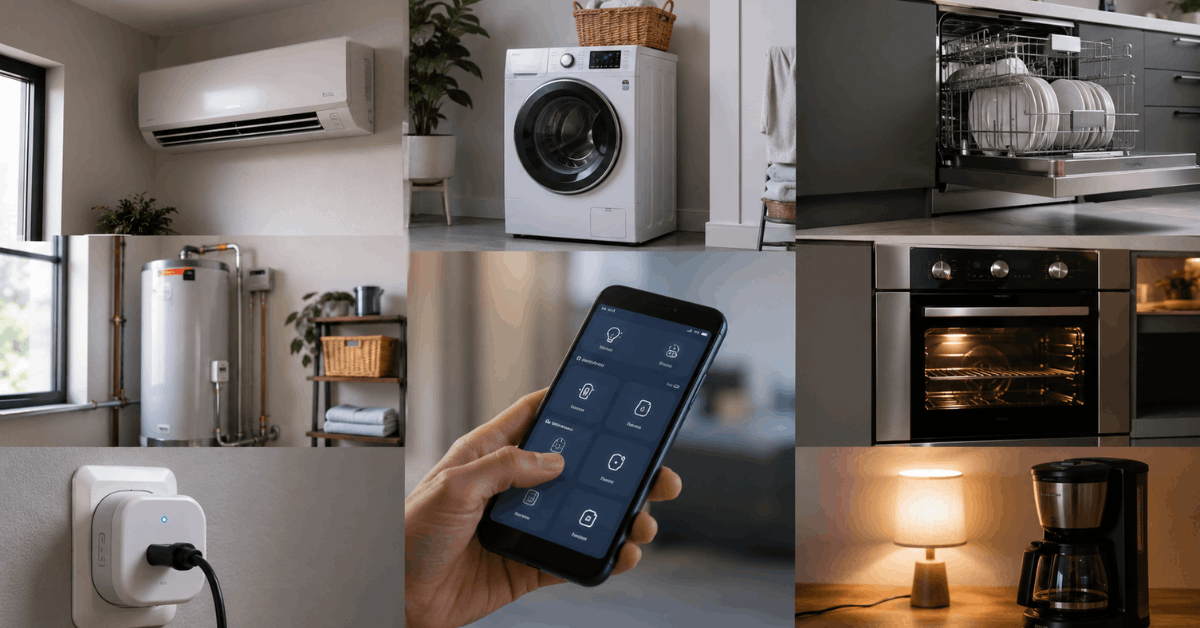
    • HVAC systems
    • Washing machines
    • Dishwashers
    • Water heaters
    • Electric ovens
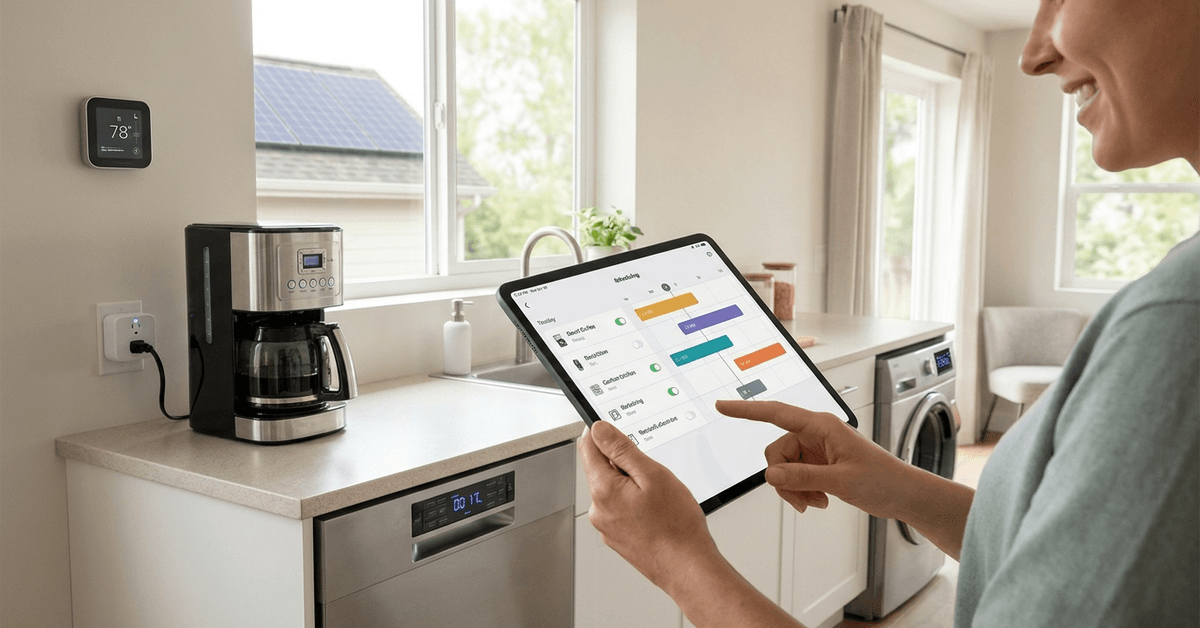
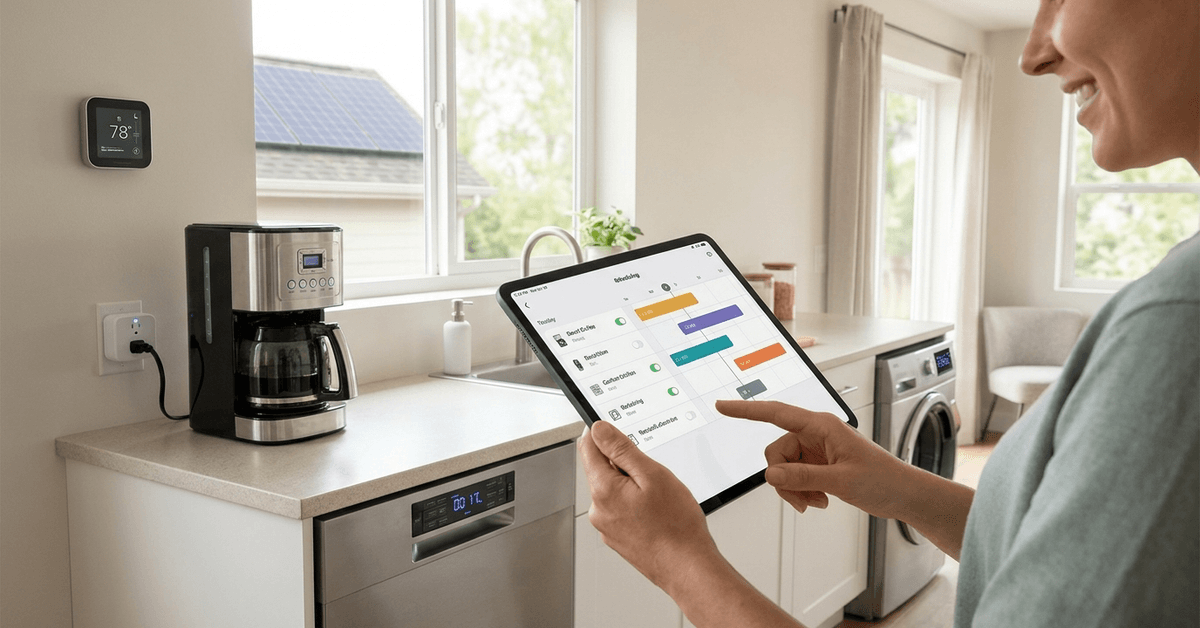
    • Smart plugs controlling lamps or coffee makers
    How to Use Smart Scheduling to Prolong Appliance Lifespans

    Focusing scheduling on these devices usually provides the greatest benefit in home longevity and efficiency.

    Core Technologies Behind Smart Scheduling

    Most smart scheduling relies on protocols like Zigbee, Z-Wave, or Wi-Fi connections.

    These allow devices to “listen” for schedule instructions and execute routines automatically.

    Smart Hubs and Controllers

    Hubs act as brains of the system, delivering schedules directly. Common examples include Samsung SmartThings, Hubitat Elevation, and Home Assistant.

    Plug-and-Play Smart Plugs

    Smart plugs with built-in timers can upgrade older appliances. Brands such as TP-Link Kasa and Amazon Smart Plug offer reliable app-based scheduling.

    Setting Up Effective Appliance Schedules

    It often helps to begin with foundational tools most homeowners already have access to, such as Google Home or Alexa.

    Step-by-Step: Household Appliance Scheduling

    1. Install the appliance app or connect the device to a hub (e.g., SmartThings or Home Assistant).
    2. Ensure the device firmware is current to support latest scheduling features.
    3. Open the hub or cloud app and select your target appliance.
    4. Navigate to its scheduling or automation menu.
    5. Set start and stop times for daily or weekly routines.
    6. Confirm with a manual run, making sure the schedule triggers as expected.

    Small home appliances often need only daily basic schedules. Larger systems (like HVAC) may benefit from more complex, seasonal schedules that adjust over time.

    Real-World Example: TP-Link Kasa Plug Setup

    1. Plug appliance into the TP-Link Kasa Smart Plug.
    2. Download and open the Kasa app on your phone.
    3. Add the device in-app and connect to your Wi-Fi.
    4. Tap “Schedule” and set your desired times (example: 8:00 am on – 11:00 am off).
    5. Save the schedule and test the function with a quick “manual” on-off cycle to verify control.

    This user-friendly approach fits common kitchen or entertainment gadgets.

    Optimizing Schedules for Maximum Lifespan Gains

    It’s not just about turning devices on or off. The real benefit lies in tuning runtimes to match appliance recommendations.

    Following Manufacturer Guidelines

    Manufacturers typically share ideal runtime limits and maintenance cycles in the manual. Incorporating those figures into schedules prevents lingering operation, helping maintain performance.

    Staggered Loads and Peak Avoidance

    Scheduling laundry or dishwashers outside peak utility windows can ease system strain. This also often lowers utility bills while supporting wider home longevity.

    Routine Review and Seasonal Tweaks

    Home energy use shifts by season and schedule. Homeowners might revisit automation every few months to adjust for daylight, habits, or appliance aging.

    Top Smart Scheduling Apps to Consider

    Among the wide array, the most reputable for robust scheduling include Home Assistant, Google Home, and Samsung SmartThings.

    • Home Assistant: Versatile, supports custom automations, ideal for tech-savvy homes.
    • Google Home: User-friendly, integrates tightly with Nest devices, easy for beginners.
    • Samsung SmartThings: Multi-protocol support, reliable for both new and legacy gadgets.

    Each of these offers energy tracking, schedule automation, and compatibility with many common appliances.

    Common Scheduling Mistakes to Avoid

    Overly Rigid or Aggressive Timetables

    Locking appliances into too short or overly frequent sessions can hamper performance or frustrate users. Balanced scheduling encourages better results—occasional flexibility helps respond to unexpected needs.

    Ignoring Firmware Updates or Integration Warnings

    Outdated hub or app software may not handle newer appliances well. Staying up to date ensures reliable schedules and fewer disconnects.

    Neglecting Maintenance Reminders

    Scheduling does not replace the need for regular filter cleaning, part replacement, or basic upkeep. Adding “maintenance check” events into your scheduler can help extend device life even further.

    Smart Scheduling and Home Security

    Smart scheduling doesn’t just benefit appliances—it has a distinct role in security setups. Routinely operating lights or cameras based on occupancy schedules can deter unwanted attention.

    Platforms like Fortressmate.com often discuss how timed lighting can mimic lived-in appearances when away.

    Best Practices for Smart Scheduling Success

    • Pair schedules with energy monitoring data for optimization.
    • Review device logs monthly to spot abnormal patterns.
    • Prioritize updating hub firmware to add scheduling features as released.
    • Document all schedules and share info with the whole household.
    • Include downtime or “rest” periods between schedules for sensitive appliances.

    These small steps collectively support years of reliable service from your investment.

    Tips for Effective Appliance Scheduling

    A balanced schedule can reduce wear while keeping appliances convenient to use.

    • Avoid unnecessary operating hours.
    • Space out heavy appliance use.
    • Add maintenance reminders.
    • Review activity logs.
    • Update schedules seasonally.

    How Smart Scheduling Promotes a Resilient Smart Home?

    Smart scheduling is at the heart of modern home automation. It quietly protects your gadgets, lets them work at their best, and may even help notice trouble early.

    You might find initial setup takes a little extra time, but the rewards — longer appliance life and fewer headaches — are proven by countless homeowners.

    Conclusion

    Integrating smart scheduling into your routine extends appliance lifespans, lowers household costs, and minimizes avoidable breakdowns.

    Leaning on trusted platforms like Home Assistant or Samsung SmartThings simplifies the process while making ongoing tweaks effortless.

    For those serious about both smart automation and long-term savings, proper scheduling is one of the wisest investments for any tech-ready household.