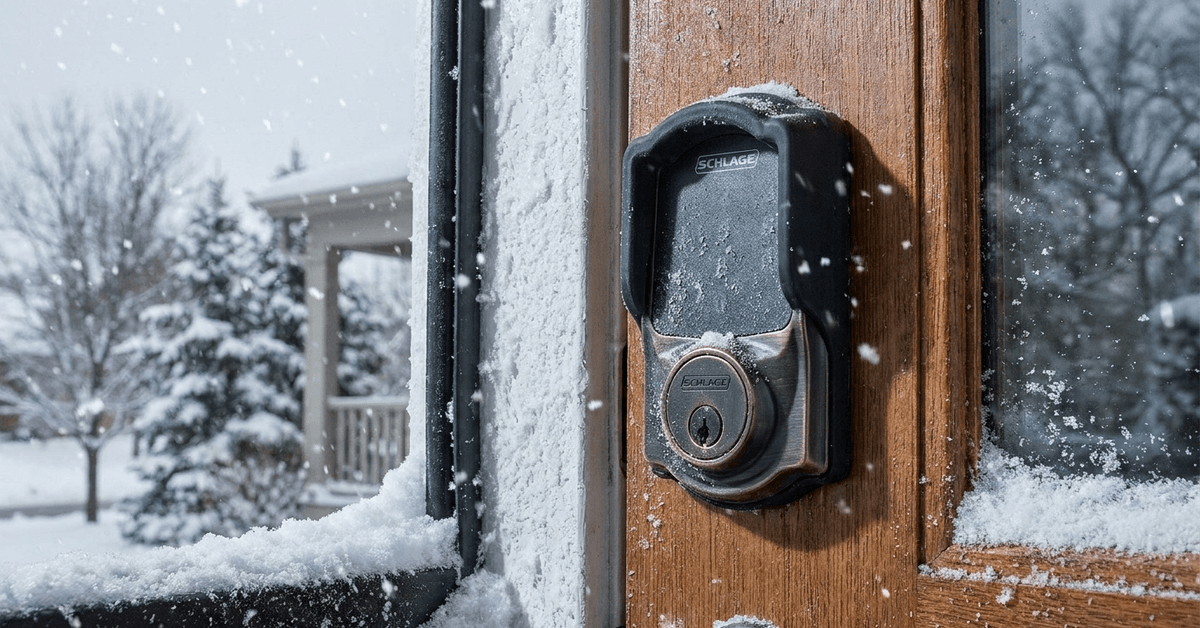
Outdoor smart locks offer outstanding convenience and security. However, freezing temperatures can impact their performance for many homeowners.
This guide aims to help anyone with outdoor smart locks protect their investment during harsh winter conditions. The focus is actionable, real-world techniques for maximum reliability.
How Freezing Temperatures Affect Smart Locks
Cold weather places unique stress on electronic locks. Batteries, internal moving parts, and circuit boards are all vulnerable to the effects of frost and moisture.
Battery Efficiency Drops
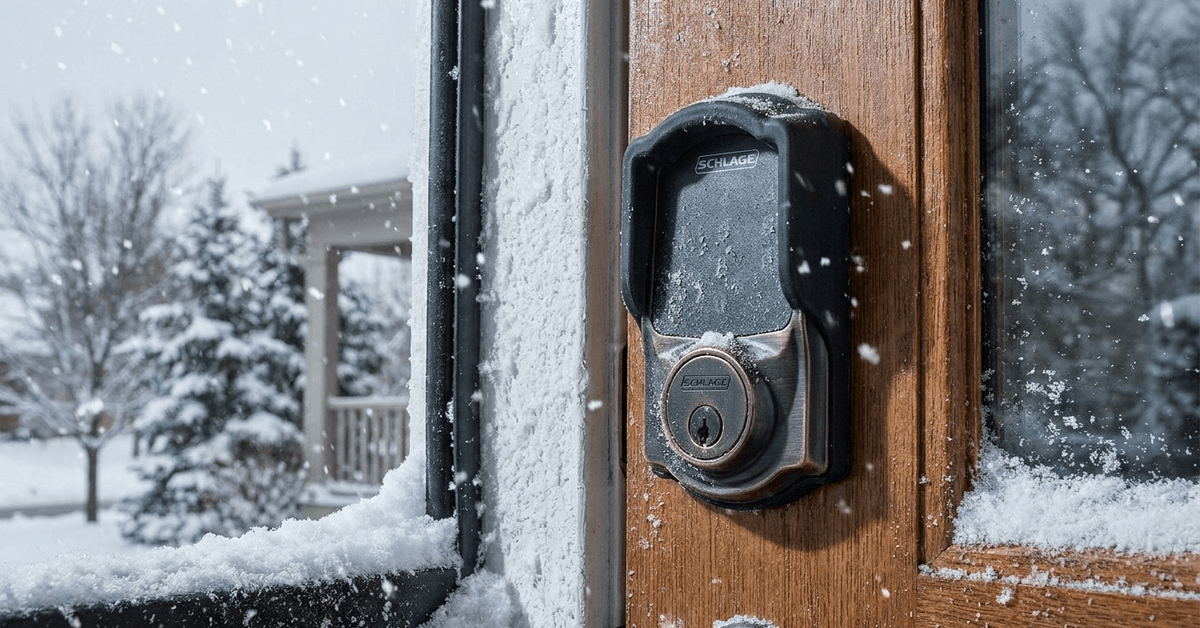
The colder it gets, the more battery power drains. Lithium-ion batteries, commonly used in smart locks, can lose up to 50% of capacity below freezing.
This drop shortens unlocking cycles and may leave the lock unresponsive if not checked regularly.
Mechanical Components Freeze
Condensation or snow can seep into seams. When temperatures drop, internal gears and the motor can jam, preventing any movement by keypad or app.
Choosing Smart Locks Built for Cold Weather
Selecting the proper lock makes a big difference. Devices rated for extreme climates include extra seals, robust hardware, and cold-tolerant batteries.
- August Wi-Fi Smart Lock (some models): Designed to work from -20°C to 50°C. Seek models with a stated cold rating in the technical section.
- Schlage Encode and Yale Assure lines list durability information on official sites.
A model with an IP65 or IP66 weather rating resists both dust and water incursion—which is critical for winter.
Installing Weather Protection for Maximum Reliability
Physical protection is a first line of defense. Homeowners sometimes overlook these simple but crucial steps:
Add Exterior Protective Covers
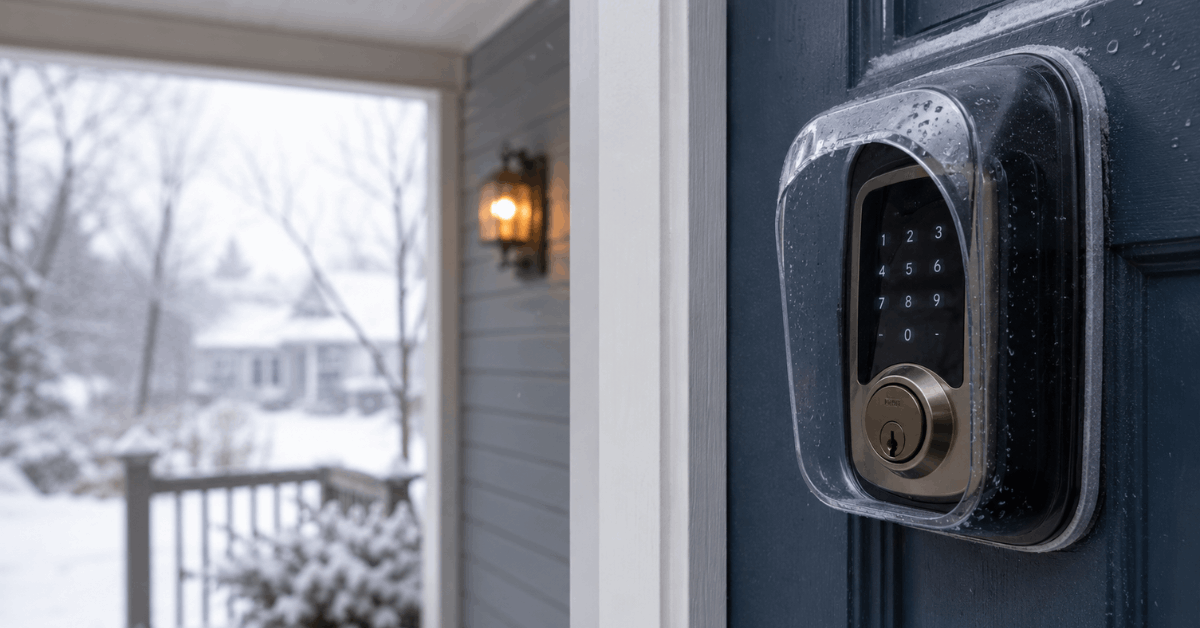
- Use a dedicated weather shield or rain cover. These guards directly block wind, snow, and sleet from critical components.
- Universal lock covers are sold by most hardware shops and online retailers. Clear covers offer good visibility for keypads.
Apply Gasket Seals
- Rubber or silicone gaskets under the lock flange minimize water ingress. Some locks include these, but after-market options can boost performance if needed.
Review Mounting Location
If possible, mount the lock where it gets some protection from walls, awnings, or porch roofs. Direct exposure to wind chill increases the freeze risk substantially.
Battery Management in Winter
Battery failures are by far the most common smart lock issue in winter. Consistent habits can greatly extend battery life during cold months.
Use High-Quality, Winter-Grade Batteries
- Consider switching to Energizer Ultimate Lithium batteries for double or triple-A powered locks. These hold up better in below-zero situations compared to standard alkaline options.
Schedule Regular Battery Checks
- Check battery levels weekly during cold spells. Most smart lock apps notify you as levels drop, but the built-in indicator is sometimes more accurate than the software in freezing conditions.
Keep Spare Batteries Indoors
- Store fully charged spares somewhere warm. Swapping a battery straight from the cold can deliver unreliable performance.
Preventing Moisture and Ice Build-Up
Moisture is the chief reason internal lock parts freeze or corrode. Proactive steps help minimize this risk dramatically.
Use De-Icing Lubricants Safely
- Lock de-icer sprays (like WD-40 Specialist Water Resistant Silicone) applied sparingly prevent latch freezing. Avoid excess lubricant, which attracts grit and dust.
Seal Exposed Edges
- Apply a thin bead of clear, non-corrosive silicone along vulnerable mounting seams. This stops melted snow from seeping in and freezing inside the body.
Clear Snow Promptly
- Brushing snow and ice off the unit after storms is often enough to keep electronics clear and reliable.
Leverage Smart Features and Monitoring
Most smart locks feature tools or companion apps that can reduce cold-weather surprises. These security features are often underused in real-world setups.
Enable App Battery Alerts
- Check your lock’s app, such as the August Home or Yale Access apps. Turn on push notifications for low battery or connectivity warnings.
Monitor Lock Status Remotely
- Many models display live status in-app. A periodic check confirms your lock responds as expected rather than jamming or disconnecting after a deep freeze.
Integrate with Home Automation
- Combine smart lock routines with Alexa, Google Home, or Apple HomeKit. Set automations to alert if your lock doesn’t report a status for long periods, especially in mid-winter.
Backup and Emergency Plans
No system is truly fail-safe in extreme conditions. Smart home experts often develop backup access options as an extra layer of security for outdoor locks.
Physical Key Override
- Choose a lock with a physical backup key . Store the spare somewhere safe but accessible during emergencies or lockouts.
Share Digital Access
- Grant trusted contacts temporary app credentials during travel. This prevents lockouts if frigid conditions halt your own connection.
Keep De-Icing Tools Handy
- Store a portable lock de-icer and a basic toolkit indoors. Quick access to these reduces downtime after unexpected freeze events.
Routine Maintenance for Long-Term Protection
Frequent, simple upkeep makes a substantial difference in cold weather performance, especially for aging devices.
Monthly Inspection
- Gently test the lock for sluggish responses. Remove the case and check for any moisture or corrosion around the battery chamber and circuits.
Clean Contact Points
- Wipe battery contacts and visible metal with a dry microfiber cloth. Avoid water near exposed wiring.
Update Firmware Regularly
- App prompt? Run firmware updates during a warm spell to avoid software bugs that can appear after temperature-related battery resets.
Conclusion
Smart locks for outdoor use confront unique challenges in freezing environments. With careful product selection, routine checks, and protective measures, most common winter failures become rare events rather than frustrating surprises.
Relying on weather-resistant models, managing batteries proactively, sealing exposed parts, and integrating smart alerts helps maximize security and minimize downtime.
Planning ahead ensures continuous, worry-free access for the entire winter season. For homeowners in cold climates, a few practical habits are the best guarantee that convenience and security remain uncompromised—regardless of what the weather brings.