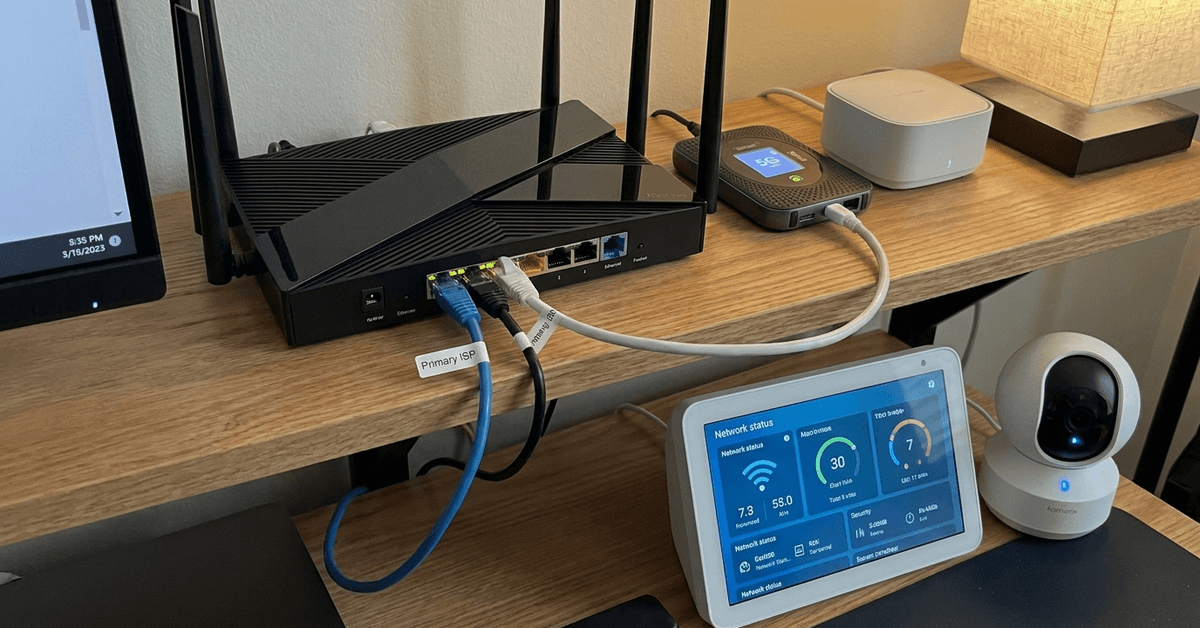
Smart home devices rely on constant internet connectivity. For many, a brief outage can disrupt work, entertainment, or even security systems.
Setting up a backup internet connection ensures your devices remain online, even during an unexpected primary network failure. This guide explores practical ways to add resilience to your home’s connectivity with real-world steps that anyone can follow.
Why a Backup Internet Connection Matters for Home Security?
Home network interruptions can have broader impacts than just missed emails or TV shows. Security cameras, alarms, and smart locks can suddenly go offline when your main connection drops.
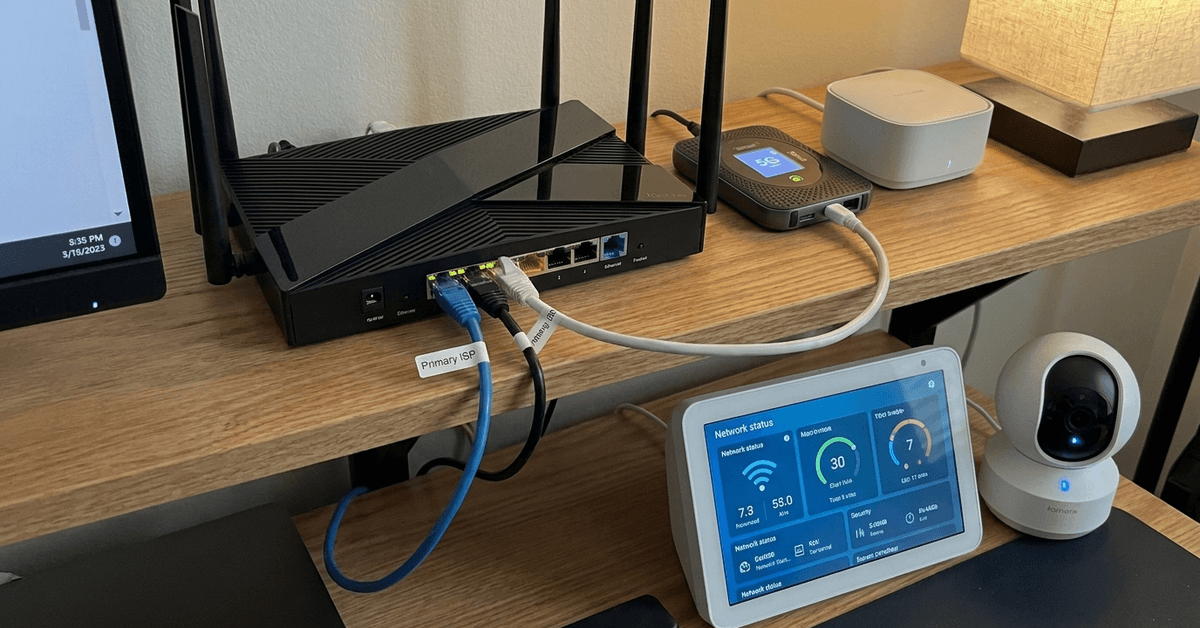
A secondary or backup internet solution adds a layer of protection. It helps maintain access to your smart devices and online records, reducing security risks during outages.
Types of Backup Internet Solutions for Homeowners
Depending on your needs and local service options, several popular backup internet connection types exist. Each has strengths and certain trade-offs.
Cellular Data Hotspots
Cellular hotspot devices use the mobile network to provide internet. Many homeowners keep a basic 4G or 5G hotspot as their emergency fallback.
- Works independently of your main broadband.
- Setup is often as simple as plugging it in and setting up Wi-Fi credentials.
- Some hotspots use physical SIM cards (compatible with major carriers), others come with integrated service.
Cellular hotspots are compact and work even if landline or fiber cables are damaged—or under maintenance. Data costs can run higher, so usage should be limited to essentials during an outage.
Neighbor Wi-Fi as a Backup
Some people arrange a reciprocal Wi-Fi sharing agreement with neighbors. This option provides emergency internet if you each run separate ISPs.
- Requires a strong, secure Wi-Fi password and clear agreement on use.
- Keep guest networks isolated from your main devices for security.
This method isn’t always possible, and it relies heavily on good neighbor relationships and privacy safeguards.
Wired Fallback (DSL + Cable, or Fiber + 4G)
Combining different providers and technologies is another reliable tactic. For example, keeping a low-speed DSL line as backup to a main cable or fiber internet plan.
- Automatic switching or manual toggling is possible, depending on network gear.
- Maintains physical separation—vital during regional outages of one service.
This approach provides stability but may involve extra monthly costs for maintaining two plans.
Mobile Tethering
Using your smartphone’s mobile hotspot function is common during short outages or for light usage.
- Use a USB cable or Wi-Fi to share mobile data with a laptop, tablet, or even a router supporting tethering.
- It’s a flexible, cost-effective option but may drain the phone’s battery quickly.
Recommended Hardware for Dedicated Backup Internet
Building a solid, reliable backup system starts with the right hardware. Here are the most popular categories for home users.
Multi-WAN Routers
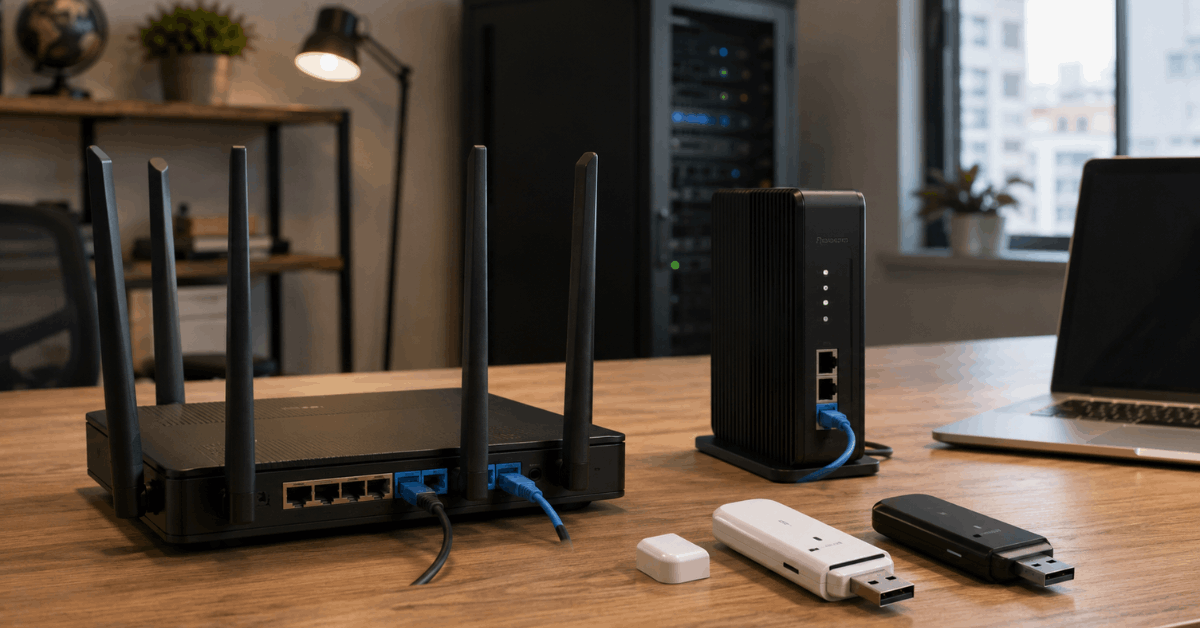
A multi-WAN router connects to more than one internet source. It can automatically switch between your main and backup services when it senses a problem.
- Popular brands include TP-Link, Ubiquiti, and Netgear.
- These routers support failover modes and traffic balancing.
Some models allow you to set rules on which devices get access, or even load balance for higher performance.
4G/5G USB Dongles
USB modems or dongles provide a simple way to add backup connectivity. Many routers have a USB port designed for this type of device.
- Insert the SIM card and configure with your provider’s APN settings.
- Ideal for brief outages or as a quick, portable remedy.
The best results come from using a separate data plan with automatic data top-ups to avoid service gaps during emergencies.
Standby Mesh Wi-Fi Nodes
If you rely on mesh Wi-Fi systems, check if your hardware supports backup source failover. Some mesh brands integrate cellular or alternative WAN modules.
- Eero, Google Nest Wi-Fi, and Asus are examples to explore.
- Plug the backup source into the main node’s secondary WAN or USB port.
Configuring Automatic Failover for Seamless Switching
For worry-free backup, setting up automatic failover is highly recommended. Several consumer-grade routers support this feature out of the box.
- Connect your primary internet source (fiber, cable, or DSL) to the router’s main WAN port.
- Attach your backup (such as a 4G dongle or second ISP modem) to the secondary WAN or USB port.
- In the router’s management page, locate multi-WAN or failover settings—this is often under Advanced or Internet menus.
- Enable failover or load balancing. Set the backup connection to activate automatically if the primary link drops.
- Test by disconnecting the main WAN to ensure the router switches to the backup.
Remember to monitor data usage and reset equipment as needed after outages.
Keeping Backup Internet Secure
All internet connections, especially backups, need strong security. Even temporary or mobile-based connections can expose vulnerabilities without precautions.
Use Strong Wi-Fi Passwords
Set a unique, complex password on all Wi-Fi networks—especially backup or guest networks. This reduces the risk of unauthorized access.
Enable WPA3 or At Least WPA2 Security
WPA3 is the latest Wi-Fi encryption standard. If your router and devices support it, enable it in your Wi-Fi settings. Otherwise, use WPA2 as a minimum.
Update Firmware Regularly
Vendors often release security updates for routers and modems. Set reminders to check for firmware updates on all network hardware, including cellular devices.
VPN for Extra Protection
For sensitive activities, connect to a reliable VPN provider like ProtonVPN or NordVPN. VPNs add a layer of security, especially when using a mobile or shared backup connection.
Minimizing Downtime: Testing and Automation Apps
Regular testing of backup systems can reveal problems before a real outage occurs. Homeowners often use free or paid apps to automate status checks and logging.
- Free tools such as Internet Connectivity Monitor or Uptime Kuma help track primary and backup network health.
- Smart home platforms like Home Assistant support internet downtime alerts and automatic switching scripts.
- IFTTT and similar services let you set up custom notifications if connections fail or switch.
Budgeting: Keeping Costs and Data Under Control
Backup connectivity often comes with extra expenses. To keep costs manageable, choose a plan that matches your usage pattern and risk tolerance.
- Prepaid mobile data SIMs avoid surprise bills.
- Data caps on secondary plans protect against runaway costs if devices use backup connections longer than expected.
Some homeowners prefer low-limit backup plans and manually restrict critical devices to run on the backup network only.
Conclusion
Setting up a secure backup internet connection for your home boosts reliability, protects vital smart devices, and reduces stress during provider outages. Whether using a cellular hotspot, multi-WAN router, or dual broadband plans, the right mix comes down to your budget, local service options, and security needs.
Security is essential at every step—from choosing hardware to setting passwords and updating firmware. Regular testing ensures your backup connection is ready when you need it most.
By following these practical steps, you can transform your home’s connectivity resilience and maintain peace of mind, no matter what happens to your main internet link.