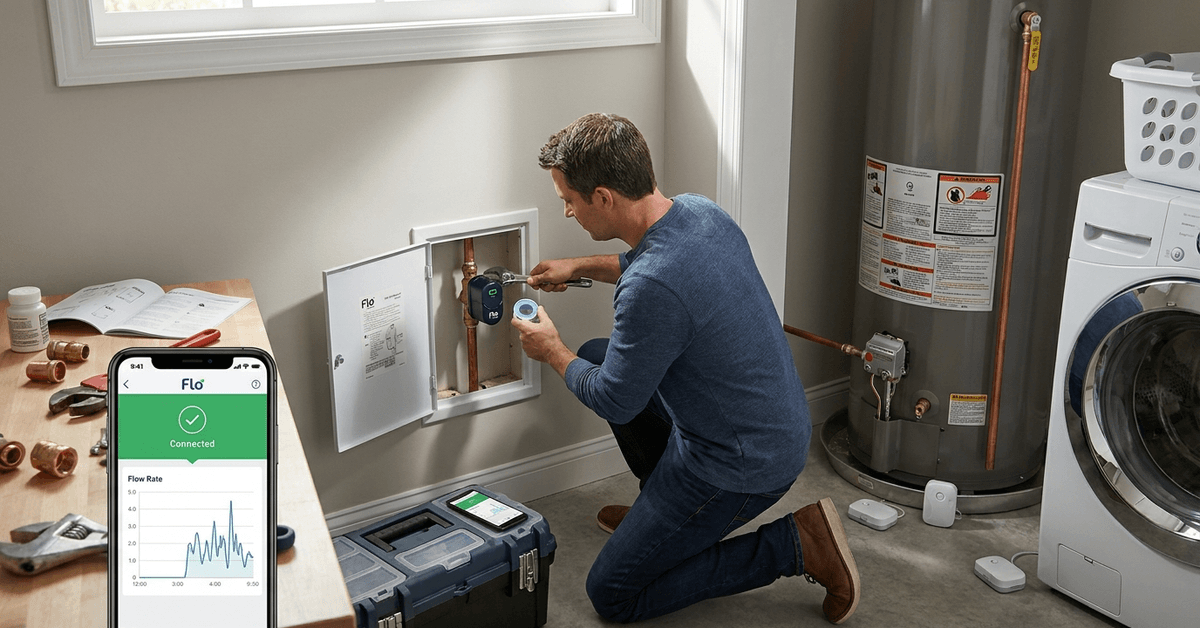
Water leaks can cause major headaches. For many homeowners, setting up a smart water shutoff valve is a crucial step to avoid damage and stress when the unexpected happens.
This guide is perfect for anyone interested in practical home safety upgrades, especially readers concerned with smart home security and automated protection.
Why a Smart Water Shutoff Valve Matters?
Traditional shutoff valves require manual intervention. In emergencies, time is often limited.
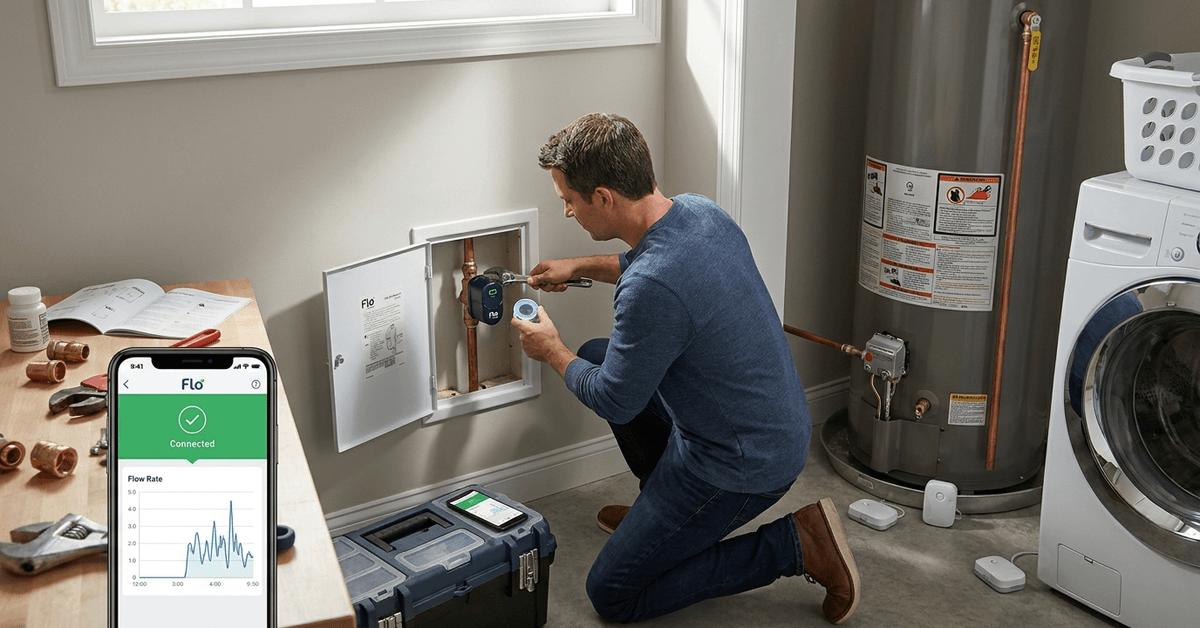
Smart shutoff valves allow remote control. A system can react instantly when a leak is detected. Some insurance providers even offer reduced premiums for homes with smart shutoff technology installed.
Main System Components
- Smart water shutoff valve (example: Flo by Moen Smart Water Shutoff)
- Leak sensors or detectors (commonly Zigbee, Z-Wave, or Wi-Fi-based)
- Wi-Fi or wired home internet connection
- Compatible app (e.g., Moen, Dome Home Automation, or Phyn) on your phone
- Integration hub if preferred (like Samsung SmartThings or Home Assistant, for advanced setups)
How Smart Water Shutoff Valves Work?
The valve device is installed on your home’s main water line. In most cases, it physically moves or closes the pipe, stopping water flow if a leak or abnormal consumption is detected.
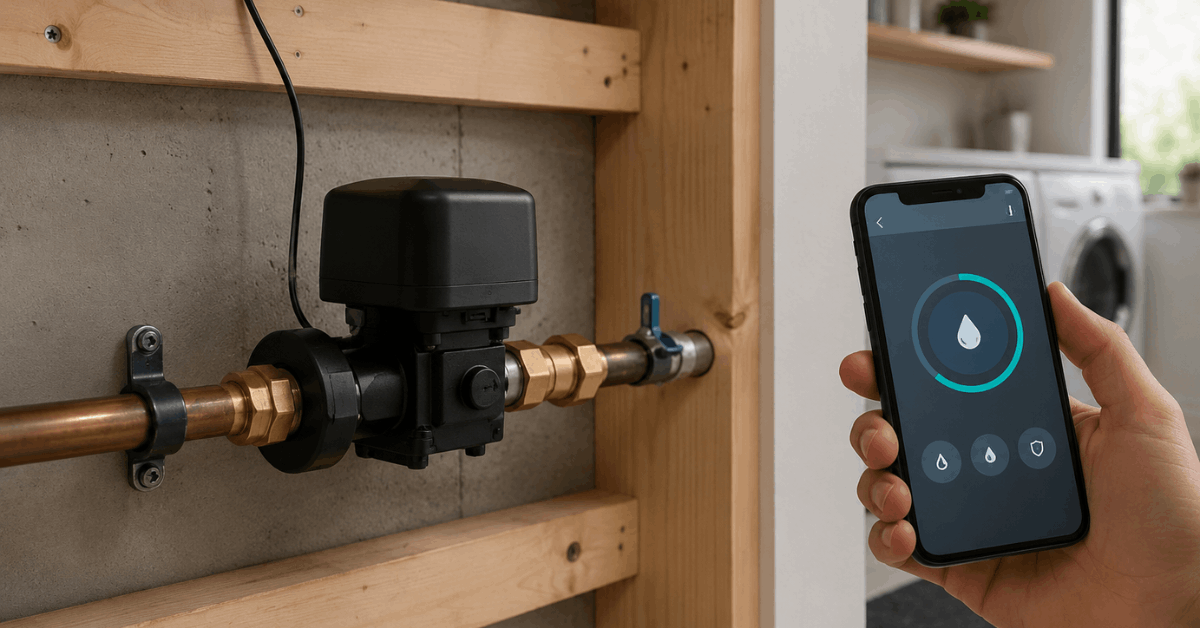
The shutdown mechanism can be triggered by mobile app, schedules, or paired leak sensors.
Step-by-Step Installation Process
1. Planning the Installation
- Evaluate your main water line location (typically in a basement or crawlspace).
- Assess pipe compatibility (most valves fit ¾-inch or 1-inch pipes).
- Confirm Wi-Fi coverage at the site to guarantee valve connectivity.
- Review the manufacturer’s compatibility and app requirements.
2. Required Tools and Materials
- Pipe cutter or adjustable wrench
- Pipe sealant or Teflon tape
- Basic plumbing supplies (bucket, rags, flashlight)
- Mobile phone with the recommended app installed
- The chosen smart water shutoff valve (e.g., Flo by Moen or Phyn Plus)
3. Turning Off Main Water Supply
- Shut off the main valve to your entire home.
- Open faucets to relieve pressure and drain the system before cutting the pipe.
4. Installing the Device
- Remove the correct pipe section (measure twice, cut once).
- Position the smart valve according to manufacturer’s diagrams.
- Use the appropriate fittings and apply pipe sealant or Teflon tape to each joint.
- Tighten and align as directed. Most modern valves use simple screw-on connections.
5. Connecting to Power and the Network
- Plug in the valve if hardwired, or insert the included backup battery where available.
- Activate the device using the manufacturer’s app (such as the **Moen app** for Flo valves or Phyn app for Phyn Plus).
- Follow in-app prompts to add the device to your Wi-Fi network.
6. App Configuration and Leak Sensor Setup
- Link additional leak detectors around your home (near water heaters, under sinks, behind appliances).
- Many sensors, like Samsung SmartThings Water Leak Sensor, connect via Zigbee or Z-Wave.
- Assign zones in the app and set up notification preferences for leaks and auto-shutoff events.
7. Testing the System
- Slowly restore main water flow while watching for leaks at all pipe joints.
- Trigger a test leak with a wet sponge or by gently wetting a leak sensor.
- Observe the valve’s response. An immediate shutoff demonstrates proper operation.
Smart Home Integration Options
Many systems work with popular hubs or smart home platforms. Samsung SmartThings, Amazon Alexa, and Google Home can all accept water alerts or trigger routines.
Homeowners can create custom automations. For example, set all water to shut off automatically if a leak is detected in any sensor zone.
The most powerful routines often involve pairing the main shutoff valve with smart leak detectors throughout the house.
Regular Maintenance and Best Practices
Monthly System Checks
- Test the valve remotely using the app or control panel.
- Inspect pipe joints for corrosion or leaks.
Firmware and App Updates
- Check for periodic updates in the manufacturer’s app.
- Apply updates to ensure the latest **security protocols** and features.
Battery and Backup
- If your system uses a backup battery, confirm its charge status monthly.
- Consider a battery-operated leak sensor as a backup in case of power outages.
Choosing the Right Smart Valve for Your Home
Key Selection Criteria
- Pipe size compatibility (check your supply line diameter first)
- Brand reputation and customer support
- Integration support (SmartThings, Alexa, Google Home, Apple HomeKit, etc.)
- App usability and stability
- Installation complexity and clear instructions
Popular models include **Phyn Plus**, Dome Water Shut-Off, and Flo by Moen. Each has distinct strengths and app ecosystems.
Potential Pitfalls and How to Avoid Them
- If Wi-Fi drops, some valves lose remote access. Place a Wi-Fi extender if the basement signal is weak.
- Improper fit or sealing can lead to leaks. Always double-check all joints before restoring water.
- Not all systems are compatible with every smart home hub. Check the valve’s integration list before buying.
Many users are surprised by small details, like notification delays, if their app notification settings are not correct.
Data Privacy and Security Considerations
With any connected home device, secure personal data and valve access. Use unique, strong passwords for your valve’s app accounts.
Regularly update firmware to patch security vulnerabilities. Always prefer systems with encrypted cloud communication for alerts and remote commands.
Most manufacturers now use secure protocols, but settings should be double-checked after installation for extra reassurance.
Conclusion: Building Resilience Against Water Emergencies
Upgrading your home with a smart water shutoff valve is a practical step. The approach combines modern convenience with genuine risk reduction.
The time spent on careful installation and setup often pays for itself the first time a hidden leak is detected. The real peace of mind comes from knowing your home is protected even when you are away.
Effective emergency preparedness in today’s smart homes means learning the systems and testing them periodically. A well-maintained, properly configured valve stands between your house and major damage, day or night.