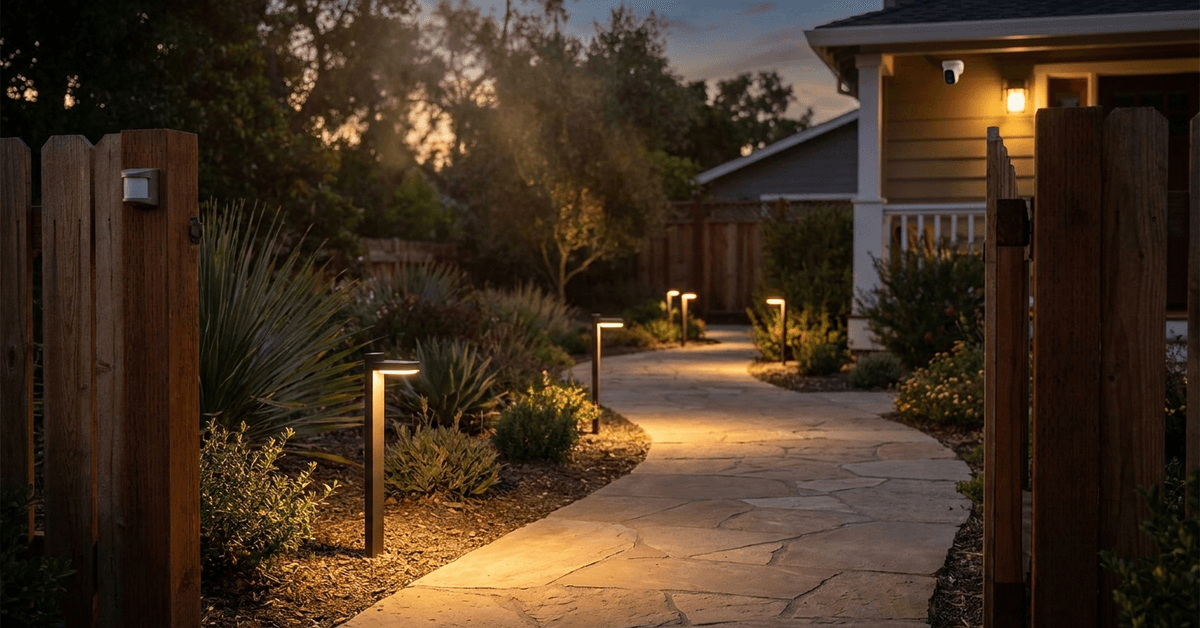
Outdoor pathways offer more than scenery—they are core access points that shape how a home feels and functions at night.
Smart lighting elevates this experience, bringing safety, convenience, and even a touch of automation magic.
This guide explains how anyone can optimize smart lighting for outdoor walkways, focusing on practical setups and reliable technologies.
Understanding Smart Outdoor Pathway Lighting
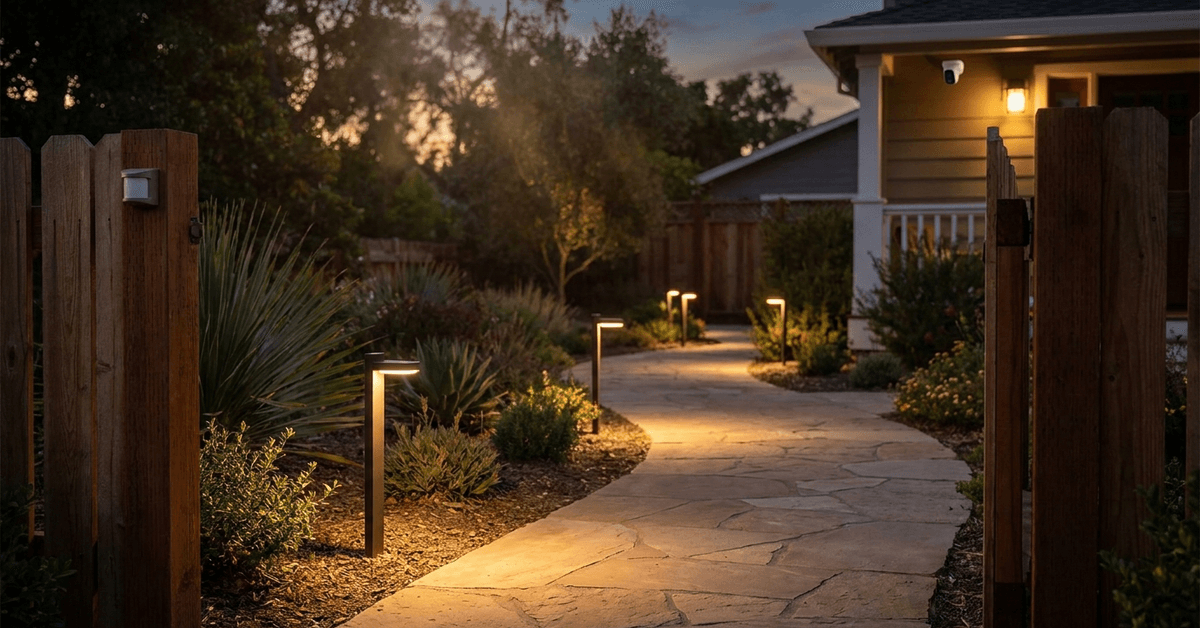
Smart pathway lighting uses connected fixtures, controls, and sensors to automatically light up paths based on time, occupancy, or external conditions.
The right approach can minimize energy waste while maximizing visibility and security near entrances or garden paths.
Selecting the Best Smart Pathway Lights
Choosing the right fixture is the foundation for long-term reliability and effective coverage outdoors.
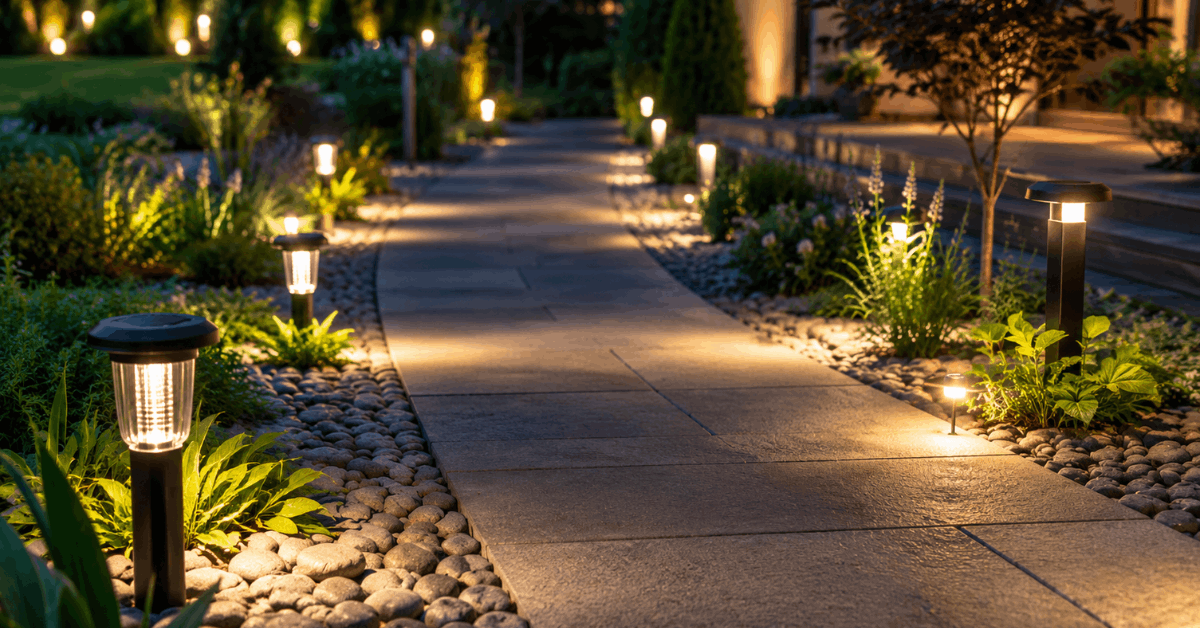
Key Options for Smart Outdoor Lights
- Wi-Fi connected stake lights
- Zigbee or Z-Wave pathway fixtures
- Solar-powered smart lights with integrated controllers
- Hardwired low-voltage fixtures with smart bridge compatibility
Popular brands like Philips Hue and Ring Pathlight offer solid choices. Each one supports different home automation ecosystems and protocols.
What To Look For?
- Water resistance rating (IP65 or higher)
- Sturdy construction against weather and tampering
- Wide, even light spread (avoid narrow beams for walkways)
Choosing systems with reliable after-sales apps can minimize future headaches with syncing or group controls.
Choosing The Right Smart Control Protocol
Outdoors, wireless interference and range are major points to consider. Each protocol has pros and cons for outdoor areas.
Understanding Smart Lighting Protocols
- Zigbee: Popular due to mesh networking, solid for gardens and longer pathways
- Z-Wave: Good for longer-range needs, but sometimes trickier to pair with some brands
- Wi-Fi: Easy to add, but signal strength drops over distance and thick exterior walls
- Bluetooth: Simple for a single fixture, but not ideal for multi-light pathway setups
Installing a dedicated Zigbee bridge or strengthening outdoor access points often resolves weak connectivity.
Smart Sensor Integration for Pathways
Motion sensors help lights respond only when needed, keeping power usage low and startling intruders with sudden illumination.
Sensor Types for Pathway Lighting
- PIR (passive infrared) motion sensors
- Ambient light (LUX) sensors
- Door/contact sensors tied to entryways
Smart sensors from Philips Hue Outdoor Sensor or Aqara can trigger pathway lights based on movement or darkness.
Configuring Sensor Automation
- Group related lights and assign sensors via native apps
- Set up “if-then” rules (e.g., if motion is detected after sunset, turn on group for 5 minutes)
- Adjust sensor sensitivity to minimize accidental triggers from pets or wildlife
Occasionally, recalibrating sensors improves response times when environmental changes shift baselines.
Optimizing Placement for Coverage and Efficiency
Installing just any smart light can leave dark spots or waste energy. Strategic positioning plays a huge role in outcomes.
Recommended Placement Strategies
- Space fixtures every 6-8 feet along straight paths
- Angle each light slightly away from eye-level to reduce glare
- Position key sensors at path entrances and turns
- Use lower lumens (around 100-250lm) to avoid over-lighting but still ensure visibility
Testing positioning after dusk often reveals areas that need fine-tuning the most.
Step-by-Step: Setting Up Smart Pathway Lighting
- Map out pathway areas needing coverage and note distances between fixtures
- Select compatible, weatherproof smart lights, sensors, and a control hub
- Check wireless range—test with a phone or Zigbee/Z-Wave plug at the furthest point
- Install the bridge or smart hub as close as possible to exterior walls
- Mount fixtures securely with correct-height stakes or flush to pathway borders
- Pair devices using the brand’s mobile app (Hue, SmartThings, or Home Assistant work well)
- Configure automation rules: set daily schedules, twilight sensors, or motion triggers
- Test entire group after sunset for dead zones or accidental shadows
It can be helpful to update device firmware early, as this often fixes lag or glitchy behaviors in new outdoor installations.
Effective Automation and Scheduling
Automation brings key benefits by making sure lights react only when required, reducing unnecessary power draw.
Popular Schedules and Triggers
- “Sunset to sunrise” routines using built-in astro-timers ( Hue app excels here)
- Motion-activated on/off in combination with ambient light (LUX) sensors
- Vacation mode: randomizes on/off cycles to mimic occupancy
Experimenting with staggered start times for different zones can make home exteriors look less uniform and more natural at night.
Integrating Outdoor Lighting with Home Security Systems
Smart pathway lighting can strengthen home security when paired with cameras, alarms, or smart locks.
Integration Tactics
- Link pathway lights to doorbell cameras or motion notifications
- Configure scenes to switch on all pathway lights if perimeter sensors detect movement
- Use integrations with SmartThings, Alexa Routines, or IFTTT for flexible control
Brands like Ring and Philips Hue allow direct connections with many mainstream security devices and platforms.
Maintenance for Long-lasting Performance
Even weather-rated lights benefit from periodic cleaning and checkups for the best output.
Simple Maintenance Tasks
- Wipe lenses seasonally to remove dust, pollen, or water spots
- Check stake stability and wiring insulation twice per year
- Replace batteries or rechargeable cells as needed (solar models may require more regular attention)
Setting low-key reminders via the lighting app often avoids accidental lapses in maintenance, especially with rechargeable setups.
Top Smart Pathway Lighting Apps and Platforms
Selecting an intuitive app makes configuring routines and troubleshooting easier year-round.
Highly Rated Apps
- Philips Hue app: User-friendly, with powerful group and time-based automations
- Samsung SmartThings: Supports a wide mix of brands and can unify Zigbee/Z-Wave devices
- Home Assistant: Open-source, ideal for custom routines and advanced users
- Ring: Focused strongly on security, with reliable motion-triggered lighting options
These platforms almost always support regular updates, which improves device stability and adds new automation functions over time.
Tips for Better Smart Pathway Lighting
A few adjustments can improve coverage, reliability, and nighttime safety.
- Test lighting after sunset.
- Keep sensors free of obstacles.
- Use separate pathway zones.
- Reduce glare near entrances.
- Inspect outdoor connections regularly.
Conclusion: Achieving Safer, Smarter Pathways
Optimizing smart lighting along outdoor pathways is achievable for most homeowners and can make daily routines safer and more enjoyable.
Thoughtful fixture selection, proper control protocol, and regular maintenance ensure the lighting works when it matters most.
Integrated smart lights, when set up with sensors and accurate scheduling, can discourage intruders and highlight landscaping in a sophisticated way.
Investing in a reliable system and platform, such as Philips Hue or SmartThings, brings flexibility and peace of mind for years ahead.