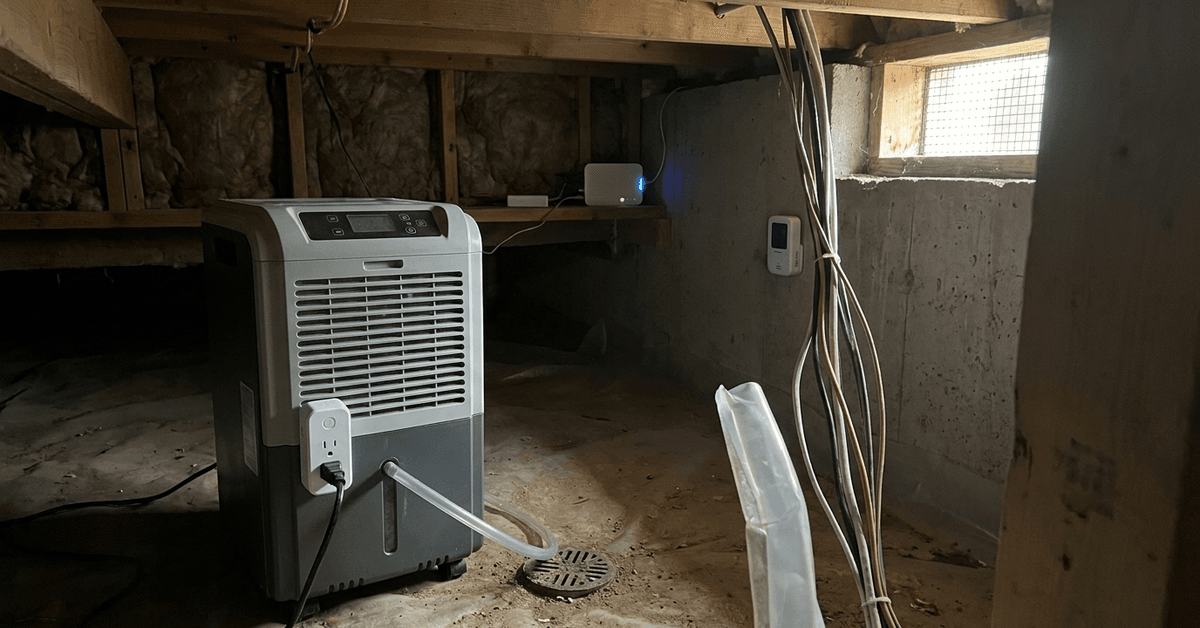
Managing crawl space humidity is crucial for keeping homes healthy and free from mold, rot, or unwanted pests. For many, ignoring these zones leads to costly repairs and decreased indoor air quality.
This practical guide is for homeowners and DIY enthusiasts looking for reliable, automated solutions. With the right setup, manual checks and guesswork can become a thing of the past.
Why Automating Crawl Space Humidity Matters
Excess moisture in crawl spaces is a silent threat. It impacts home structure, energy efficiency, and comfort.
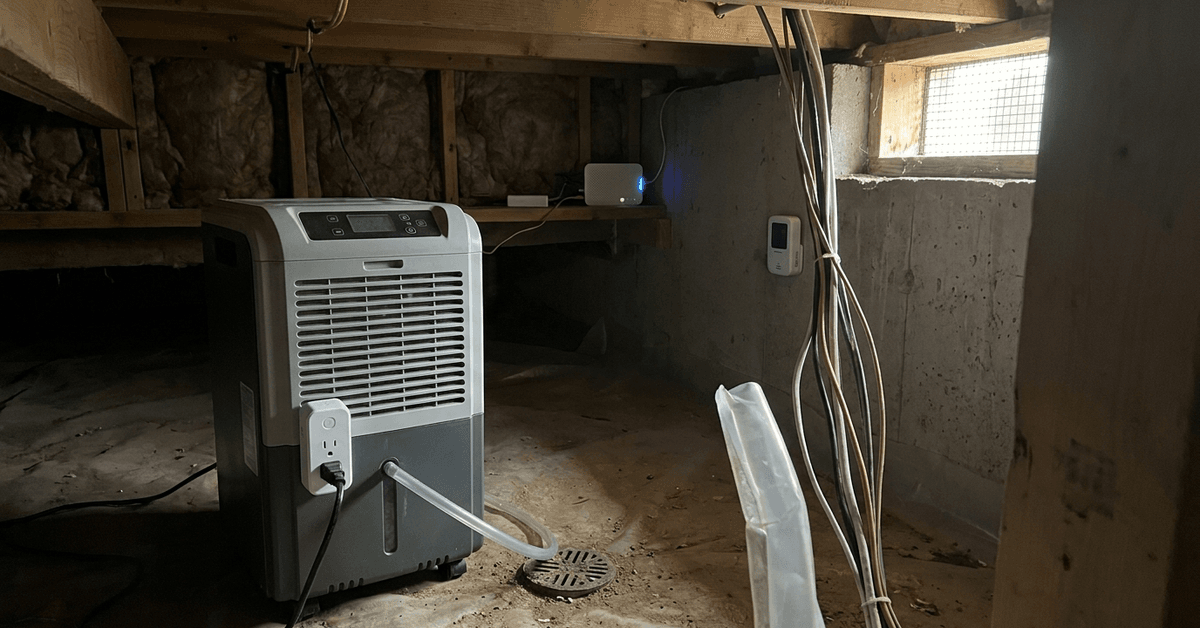
Signs of poor humidity control often include musty smells, warped flooring, or visible mold. Even minor leaks or seasonal weather can shift moisture levels rapidly.
Automated systems can keep conditions stable, which reduces maintenance and worry. When operated correctly, these solutions truly pay off over time.
Key Hardware for Crawl Space Humidity Automation
Every automation project begins with solid hardware. Some tools stand out for dependability and smart integration.
Humidity Sensors
The backbone of automation is a good smart humidity sensor. Look for models with accurate, digital readings.
Reliable choices include the Shelly H&T sensor and the Aqara Temperature and Humidity Sensor. Both work with major systems and support real-time data.
Smart Plugs and Relays
Controlling dehumidifiers remotely often requires smart plugs or relay modules. Brands like TP-Link Kasa or Sonoff S31 are popular among homeowners for this purpose.
A relay, like the Zooz ZEN16 MultiRelay, is useful for more advanced setups. These handle on/off tasks based on readings from sensors.
Dehumidifiers
A robust crawl-space dehumidifier is essential. Many prefer models from Aprilaire or AlorAir, both known for high capacity and energy efficiency.
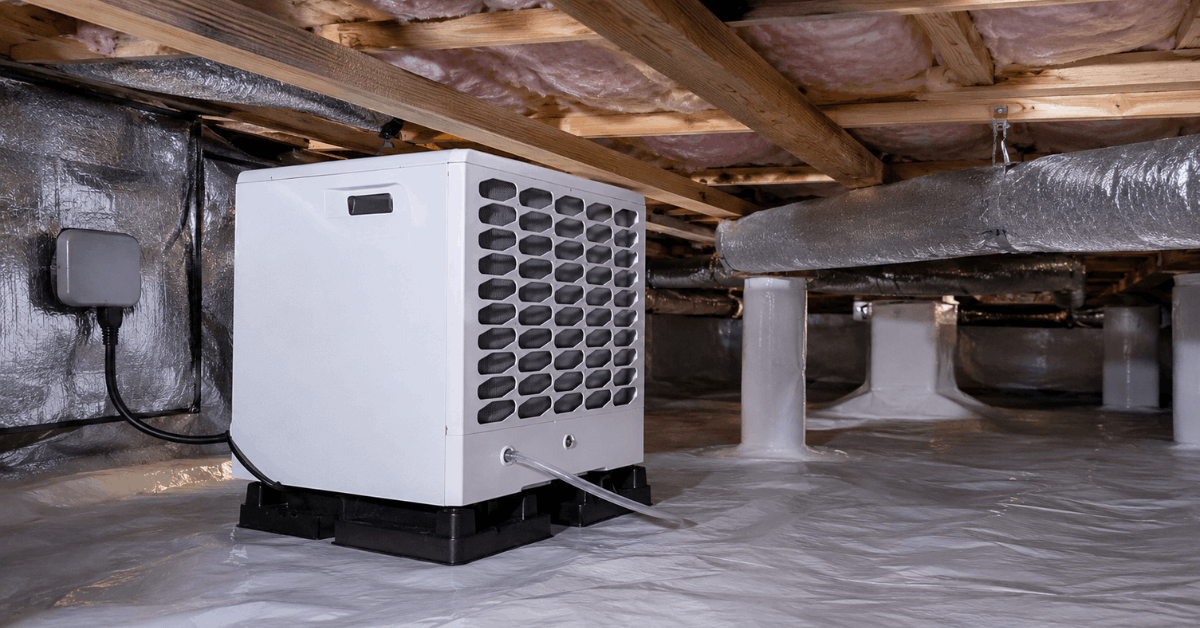
Units with automatic drainage and built-in pump features simplify ongoing use, cutting down on frequent visits under the house.
Controller Hubs
Integrating different hardware components relies on a reliable automation hub . Home Assistant and Samsung SmartThings are consistently recommended in the smart home community.
With these, users can create customized automation routines that actually work in demanding crawl space environments.
Recommended Communication Protocols
Protocol choice affects reliability and expandability. Wi-Fi works for some, but dedicated smart home protocols are safer for isolated spaces.
Zigbee
The Zigbee protocol is a favorite for sensors. It’s energy efficient and suits wireless transmission through crawl space obstacles.
Z-Wave
Many automation pros prefer Z-Wave for its strong mesh networking. It shines in larger homes or if multiple connected devices are spread around.
Wi-Fi vs. Bluetooth
While Wi-Fi sensors exist, range and reliability sometimes fall short in basements or crawl spaces. Bluetooth has limited use unless distances are very short.
Step-by-Step: Automating Humidity Control
Bringing all pieces together requires thoughtful planning and a logical sequence of steps. The process below is a blend of what most pros follow in real homes.
- Assess crawl space conditions: Check size, power outlets, standing water, and access points.
- Select compatible smart humidity sensors: Research if your hub supports Zigbee or Z-Wave devices.
- Install the sensor securely: Place sensors away from vents and direct water sources for the most accurate readings.
- Choose a smart dehumidifier or connect a standard unit via a smart plug or relay.
- Set up the controller hub: Create automation rules, for instance, ‘turn on dehumidifier when humidity exceeds 60%’.
- Test your automation: Run simulations and make quick adjustments if any device fails or misreads.
- Log and monitor readings: Use hub dashboards or apps to review performance over several weeks.
Popular Apps and Platforms for Control
App control simplifies real-time adjustments, alert delivery, and long-term monitoring. Reliable integration is essential for peace of mind.
- Home Assistant: Wide device compatibility. Allows custom automations, detailed graphs, and remote alerts.
- SmartThings: User-friendly mobile interface. Supports both Zigbee and Z-Wave sensors.
- Aqara Home app: Focused integration for their sensors. Geo-fencing and threshold notifications.
- Shelly Cloud: Direct access to Shelly sensors and relays. Features scheduling and instant push notifications.
Essential Configuration Tips
Crawl spaces pose unique challenges. Environmental changes and power issues are common.
Power Safety
Install surge-protected outlets for the dehumidifier and hub. This helps prevent unexpected shutdowns during storms or outages.
Network Stability
For wireless sensors, consider a mesh repeater nearby. Zigbee or Z-Wave repeaters can help signals travel through insulation or cinder blocks.
Automation Logic
Using a double-trigger method can reduce short cycling. Many set a ‘turn on above 60%’ and ‘turn off below 55%’.
Firmware Updates
Keeping sensors and plugs updated is sometimes overlooked. Up-to-date firmware improves accuracy and may unlock new features.
Conclusion
Automating humidity control in crawl spaces provides more than just convenience. It guards your home against mold, structural damage, and poor air quality.
The ideal setup involves accurate smart sensors, robust automation hubs, and reliable device controls using protocols like Zigbee or Z-Wave.
With careful planning and dependable gear, homeowners can enjoy a healthier, more resilient living space. Adapting these proven strategies helps secure peace of mind—often, that’s the smartest upgrade of all.