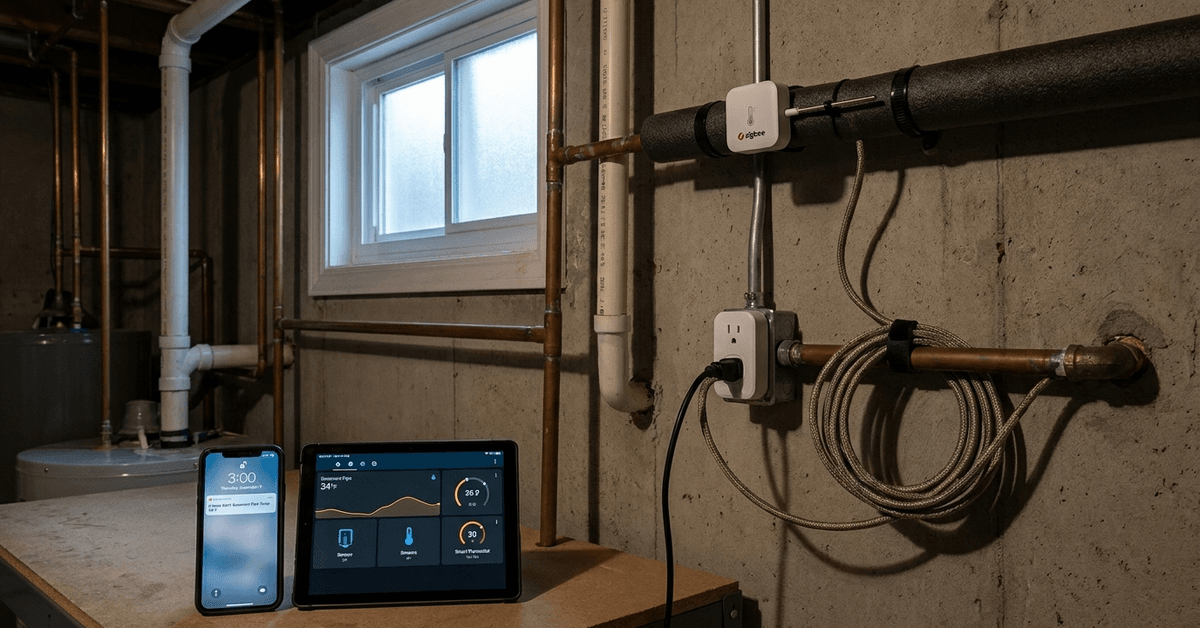
Frozen pipes can create sudden, costly damage. Many smart home enthusiasts now look for automated freeze protection to stop this problem before it starts. Pipe bursts aren’t rare during cold snaps.
This guide is for homeowners seeking easy and effective smart tech solutions for pipe freeze prevention. Automated systems reduce manual work and provide peace of mind through real-time alerts and hands-off operation.
Why automated freeze protection matters?
Unprotected pipes are highly vulnerable in freezing temperatures. A single cold snap is sometimes all it takes for a pipe to burst. This can flood rooms and destroy property.
Traditional insulation helps but isn’t perfect. Automated freeze protection adds a proactive layer. It often spots issues before they become critical. Many homeowners discover its value only after a close call or major repair bill.
How automated freeze protection solutions work
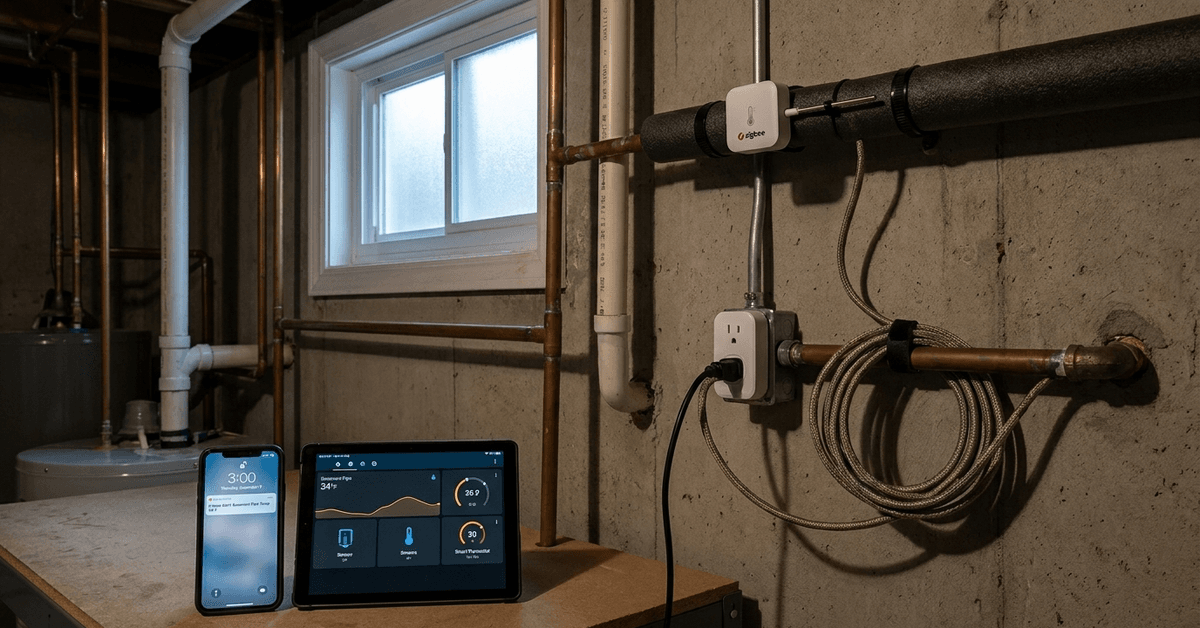
Smart systems usually combine three core elements: temperature sensing, automated responses, and real-time alerts. Some setups use only one of these but most integrate all three for reliability.
Remote temperature sensors
Wireless sensors monitor pipe or room temperatures. Smart protocols like Zigbee and Z-Wave make it easy to deploy multiple sensors in cold spots. Products like Aqara Temperature and Humidity Sensor and Fibaro Z-Wave Sensor are well-known options.
By tracking conditions in real-time, these sensors quickly reveal spots with impending freeze risks. Placing these sensors near exposed pipes or unheated basements is usually most effective.
Automatic heating devices
When a sensor registers a dangerously low temperature, automated systems can activate heat sources. The most common tool is a smart pipe heating cable or tape. Systems like the Easy Heat Freeze Free Cable can be plugged into a smart plug like TP-Link Kasa.
Some smart thermostats, such as Ecobee or Nest, also offer custom automations to activate zone heating when specific temperature drops are detected.
Real-time alerts and automation platforms
If you’re away, being notified is crucial. Automation platforms, such as Home Assistant, allow users to set notifications via mobile, text, or email. These alerts mean action can be taken fast, sometimes remotely.
Choosing the right smart freeze protection system
Not every home or region needs the same type of freeze protection. The correct combination depends on factors like local climate, home layout, and existing smart devices.
Evaluate climate risk and priorities
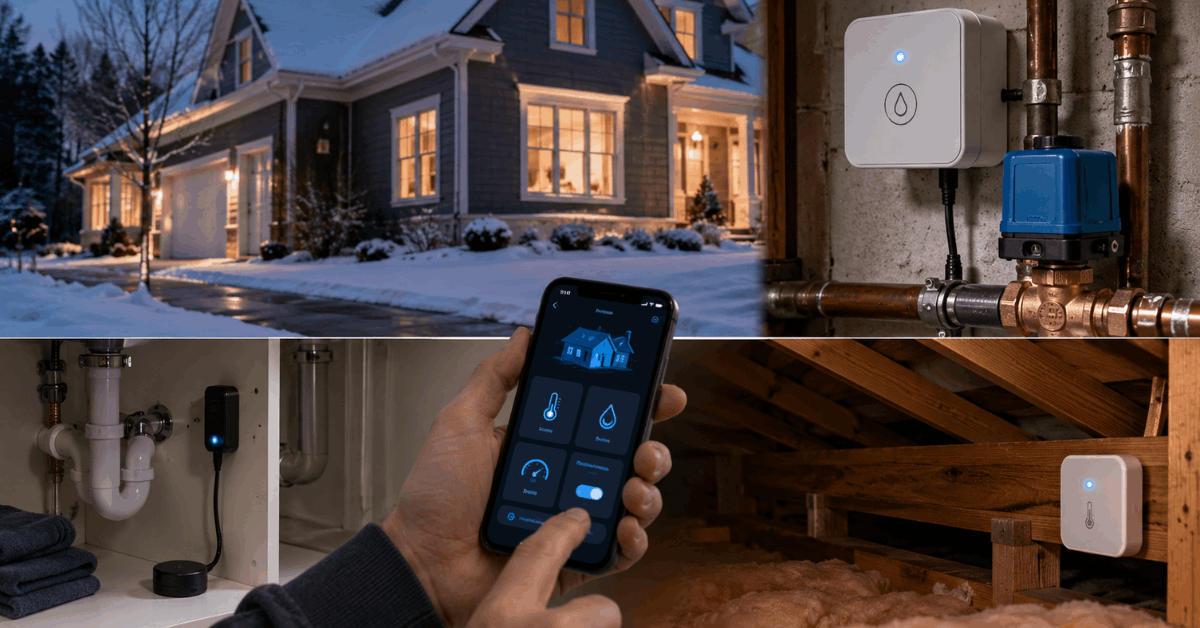
- Colder climates require extensive sensor coverage, especially for exterior walls, crawl spaces, and attics.
- Mild regions might only need monitoring under sinks or garages.
- Consider if water shut-off automation adds extra safety.
Compatible smart home ecosystems
It’s helpful to match sensors and actuators with your current home automation hub. SmartThings and Home Assistant cover wide device compatibilities.
Apple HomeKit and Google Home support basic automations, although device choice is sometimes more limited.
Zigbee and Z-Wave networks offer excellent reliability and battery life for remote sensors. Wi-Fi sensors are an alternative but may require more frequent battery changes.
Budget and installation complexity
- Simple plug-in pipe cables are affordable and straightforward to set up.
- More complex setups with multiple sensors, smart valves, and remote monitoring cost and require more planning.
- DIYers usually prefer devices with app-based configuration. Professional installs often include water shut-off kits or plumbing modifications.
Step-by-step setup: DIY freeze protection automation
For those starting out, here’s an approachable guide. It assumes a basic smart home hub like Home Assistant, but most methods translate to SmartThings or similar platforms.
1. Select critical monitoring locations
- Pipes near exterior walls
- Unfinished basements or cellars
- Sinks in rarely heated rooms
2. Install wireless temperature sensors
- Pair Zigbee/Z-Wave sensors with your home hub.
- Test sensor reach and reliability at target locations.
- Label sensors in the app for clear identification.
3. Add a smart plug to power pipe heating cable
- Attach a smart plug like TP-Link Kasa Smart Wi-Fi Plug to a standard heating tape or cable.
- Set up app routines to turn the cable on or off based on temperature.
4. Configure automations in smart home hub
- Use Home Assistant’s “Automations” menu to trigger the smart plug at a set temperature (e.g., below 35°F / 2°C).
- Optionally, add a push notification or SMS alert when the event triggers.
- Consider an automatic water shut-off valve (such as the Dome Z-Wave Water Main Shut-Off) as a secondary fail-safe.
5. Test your setup
- Cools the sensor location with ice packs or by opening a window briefly.
- Check if the cable and alert trigger as expected.
- Modify settings as needed for your room or device specifics.
Popular automated freeze protection products
| Product | Protocol | Best Feature |
|---|---|---|
| Aqara Temp & Humidity Sensor | Zigbee | Small size, reliable battery |
| Fibaro Z-Wave Sensor | Z-Wave | Strong automation support |
| Easy Heat Freeze Cable | Standard plug | Plug-and-play with smart plug |
| TP-Link Kasa Wi-Fi Plug | Wi-Fi | Easy integration, app routines |
| Dome Water Shut-Off Valve | Z-Wave | Remote valve control |
Common installation mistakes and how to avoid them
Poor sensor placement
Accurate readings depend on sensor location. Placing a sensor in a warm or insulated area doesn’t show the risk zones’ actual temperature. Cold spots need direct monitoring.
No redundancy or backup alerts
If Wi-Fi goes down, notifications might fail. Redundant alerts sent via multiple channels (app, SMS, email) improve reliability. Consider using dual-notification automations in your hub settings.
Forgetting manual overrides
Sometimes, automation alone isn’t enough. Including a manual override button within your app or smart plug interface can help deal with unexpected events. It’s an extra layer of control for peace of mind.
Routine maintenance tips for freeze protection
- Check sensor batteries monthly in winter—low battery can disable vital protection.
- Confirm that smart plugs and pipe cables remain securely plugged in and free of corrosion.
- Review notification settings after updates to smart home apps or hubs.
- If you plan extended absences, remote monitoring is valuable. Grant a trusted neighbor temporary app access if possible.
Pros and cons of automated freeze protection
| Pros | Cons |
|---|---|
| Peace of mind and real-time alerts | Initial investment in smart devices |
| Continuous monitoring even when away | Setup may require patience or professional help |
| Customizable automation routines | Batteries or power outages reduce reliability |
Conclusion
Automated freeze protection for pipes transforms a vulnerable point in any home into a monitored, manageable part of your smart ecosystem. With a smart blend of temperature sensors, heating cables, and reliable automation, homeowners can avoid the sudden chaos of burst pipes even in severe cold.
Picking the right components, planning redundancy, and testing regularly are what make the difference between a near-miss and a disaster. The technology is mature, accessible, and, when set up thoughtfully, mostly hands-off.
For anyone new to smart home plumbing safety, a little planning and careful sensor placement go a long way to preserving both property and peace of mind.