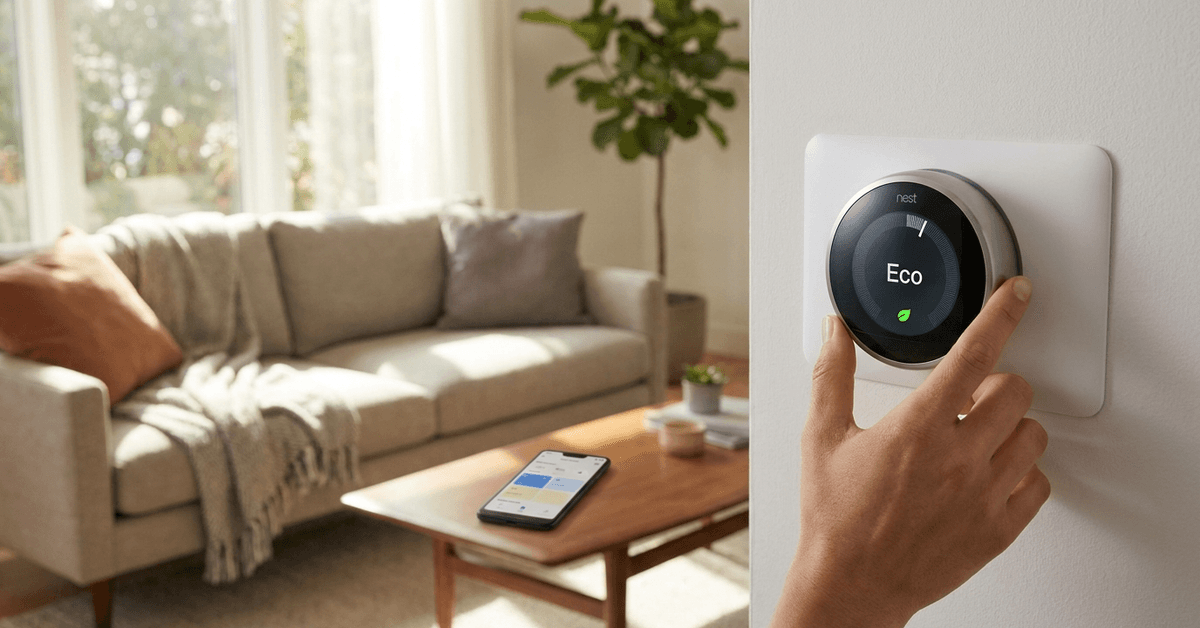
Eco-friendly smart thermostats are quietly transforming home energy use. More homeowners are searching for genuine ways to lower their utility bills and shrink their environmental impact.
For those passionate about sustainability, a smart thermostat delivers daily control along with long-term savings. The benefits are both practical and technical—smarter heating and cooling, all in one clean package.
What Are Eco-Friendly Smart Thermostats?
Smart thermostats are digital devices linking your heating and cooling system to your Wi-Fi network. This enables remote temperature control and scheduling.
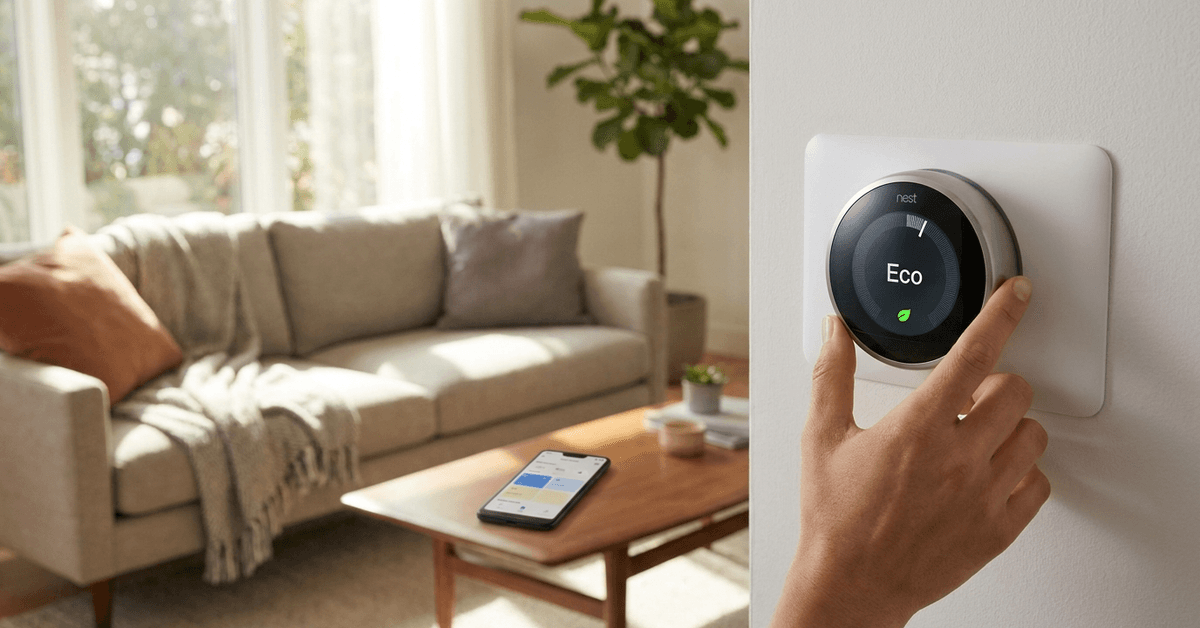
The most standout feature: learning capabilities that adjust room temperature based on your habits while aiming to reduce wasted energy.
Key Benefits of Smart Thermostats for Sustainability
Automatic Energy Optimization
Eco-friendly models monitor patterns of use and adapt. They can lower energy draw when houses are empty or during non-peak times.
- Prevents over-heating or over-cooling when not needed
- Reduces unnecessary cycling of HVAC equipment
- Lowers greenhouse gas output tied to power use
Precise Scheduling and Zoning
Dividing the home into zones is another key benefit. Many smart thermostats allow specific temperature settings per room or area.
- Only heat or cool rooms in active use
- Creates tailored comfort for each part of the home
Remote Access and Notifications
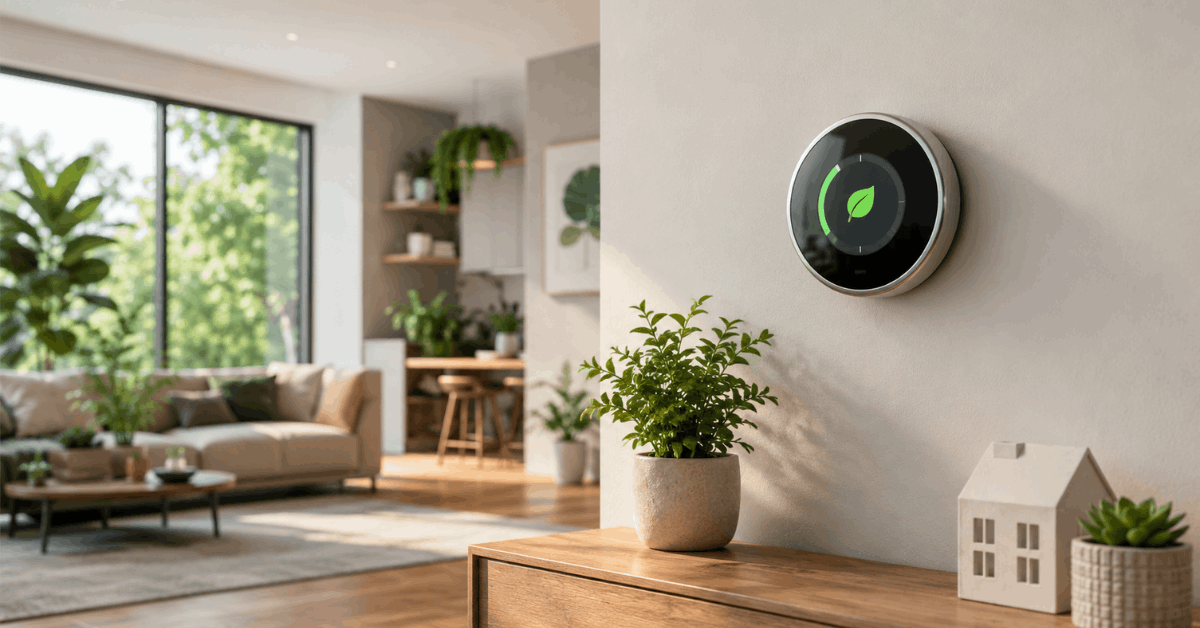
Apps like the Google Home app or Ecobee app allow control from anywhere. Adjustments can happen on the go or from a different floor.
- Get alerts about open windows or rapid temperature changes
- Respond to energy emergency signals from utility companies
Energy Consumption Reporting
Most leading models offer regular usage reports. These help you see exactly how much energy is being used daily, weekly, or monthly.
- Track trends and spot wasteful patterns
- Compare your performance to similar local homes
How Smart Thermostats Work: Protocols and Compatibility
Wireless Communication Standards
Common protocols include Wi-Fi, Zigbee, and Z-Wave. Some thermostats, like those from Honeywell, offer dual-protocol compatibility.
- Wi-Fi is best for direct app or cloud control
- Zigbee and Z-Wave integrate easily with smart hubs like Samsung SmartThings
Smart Platform Integration
Compatibility with smart speaker platforms drives seamless use. Google Assistant, Amazon Alexa, and Apple HomeKit cover the popular bases.
- Voice commands for temperature changes
- Integration with scenes and automations
Energy Utility Partnership Protocols
Certain models support utility demand response programs. These connect your thermostat to energy provider systems during peak demand.
- Receive incentives for participating in energy-saving events
- Examples: Nest Rush Hour Rewards, Ecobee Eco+
Choosing the Best Eco-Friendly Smart Thermostat
Top Models on the Market
- Google Nest Learning Thermostat – Offers adaptive scheduling and easy setup for most HVAC systems
- Ecobee Smart Thermostat – Includes built-in Alexa and room sensors for zoned control
- Tado Smart Thermostat – Capable of geofencing-based adjustments for European homes
- Honeywell Home T9 – Features multi-room focus and simple mobile app
Key Selection Criteria
- HVAC compatibility (check heating/cooling types supported)
- User interface and app quality
- Battery life and backup features
- Level of automation sophistication wanted
Step-by-Step Smart Thermostat Installation Guide
Though professional installation is available, many users attempt it themselves. Here’s an actionable breakdown:
- Turn off power to existing thermostat at your circuit breaker box
- Remove your old thermostat’s faceplate and disconnect wiring
- Label wires using the provided stickers, keeping note of where each wire goes
- Mount the smart thermostat’s base and reconnect wires to the matching ports
- Secure the new faceplate and restore power from the breaker
- Download your thermostat’s official app and start the guided setup
- Connect the device to your Wi-Fi network and follow in-app calibration prompts
Recommended Apps and Software
- Google Home (Android/iOS): Unifies Nest devices and automations
- Ecobee App: Offers remote control, scheduling, and usage tracking
- Tado App: Enables location-based automation in Europe
Practical Tips for Maximizing Eco-Friendly Performance
Use Geofencing Features
Enabling geofencing lets your thermostat determine when you’re home or away. It then saves energy automatically during absences.
Connect to Weather Data
Many thermostats track outside temperatures in real-time. This allows appliances to adjust preemptively, cutting use on milder days.
Optimize Schedules for Your Routines
- Set bedtime and wake-up cycles for maximum comfort and savings
- Review schedules each season for ongoing efficiency
Participate in Utility Energy Programs
Joining demand response programs often offers financial rewards. Your usage adapts to grid needs, and environmental impact drops.
Security and Data Privacy Considerations
Smart thermostats, like any connected device, require ongoing care to remain secure.
- Regularly update firmware via the official app
- Use strong Wi-Fi passwords and two-factor authentication where available
- Avoid sharing account credentials with others
Common Mistakes to Avoid
- Overriding the schedule too often—this undoes efficiency gains
- Skipping firmware updates and missing new features or security fixes
- Ignoring compatibility requirements before purchase
Conclusion
Eco-friendly smart thermostats are reshaping home comfort and carbon responsibility. With the right model and thoughtful setup, homeowners enjoy lower bills, improved climate control, and the satisfaction of a sustainable lifestyle.
Exploring the latest smart tech, learning each device’s features, and staying engaged with software updates can unlock even greater energy savings.
For anyone building a fortress of safety and efficiency at Fortressmate.com, adopting these tools is probably the smartest upgrade available today.