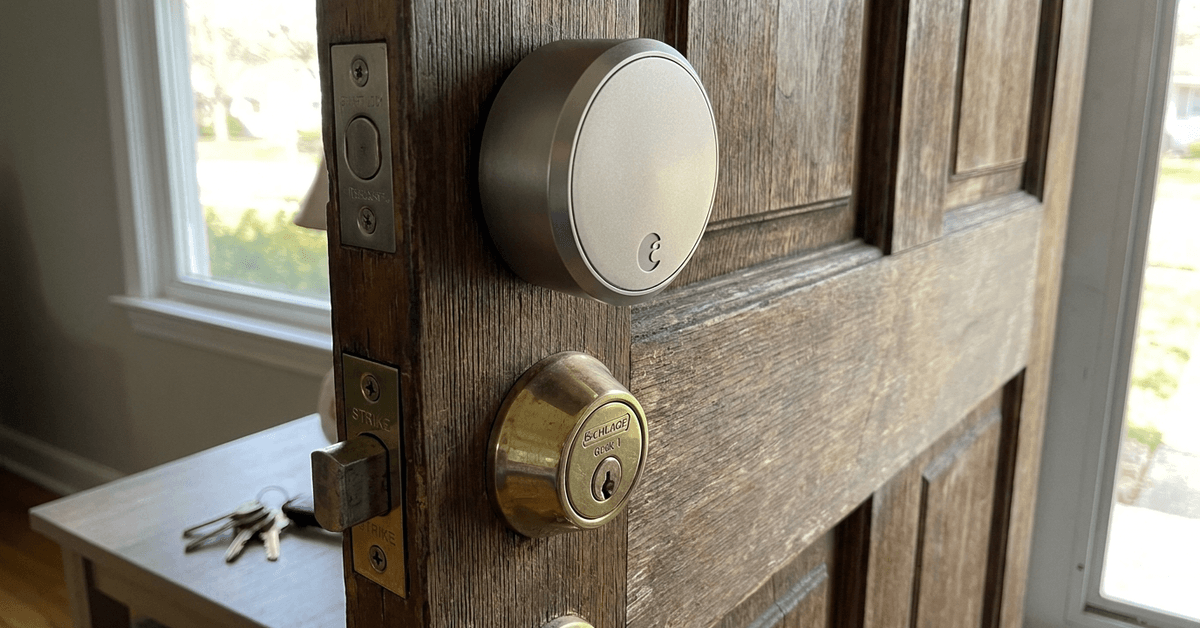
Modern smart locks offer convenience, but many homeowners still value the mechanical strength of traditional deadbolts.
Combining both can give balanced, reliable protection. This article guides smart home enthusiasts and DIYers on realistically pairing heavy-duty deadbolts with popular smart lock systems, boosting overall security and peace of mind.
Understanding the Role of Deadbolts in Smart Home Security
A smart lock alone controls access digitally, but a deadbolt is still the primary barrier against forced entry. Many experienced homeowners realize a heavy-duty deadbolt can deter physical tampering where electronics alone might not.
This defense is especially critical for entry doors, garage side doors, and basement entrances. Smart automation cannot replace the raw strength of steel or reinforced bolt throws.
Why Pair a Deadbolt with a Smart Lock?
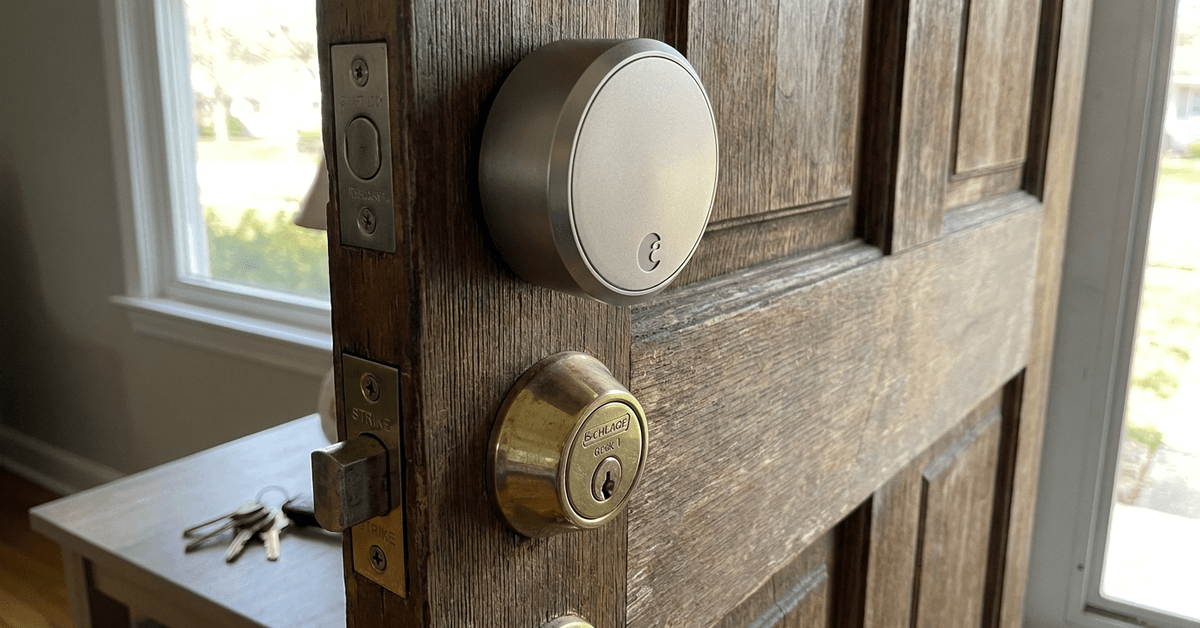
Pairing these two adds crucial redundancy. In power or network outages, the manual deadbolt remains functional. Smart features offer access tracking, while the deadbolt gives the assurance of mechanical resistance.
It is becoming common to see both installed together on the same door, providing layers that act independently but in parallel.
Key Factors When Choosing a Heavy-Duty Deadbolt
Grade and Certification
The ANSI/BHMA Grade 1 mark signals the highest level of residential deadbolt strength. Grade 1 deadbolts are tested for at least 250,000 open/close cycles and can withstand tough prying attempts.
Any deadbolt selected to pair with a smart lock should be rated at this level whenever possible. Lower grades may not be sufficient for main doors or vulnerable areas.
Material and Build Quality
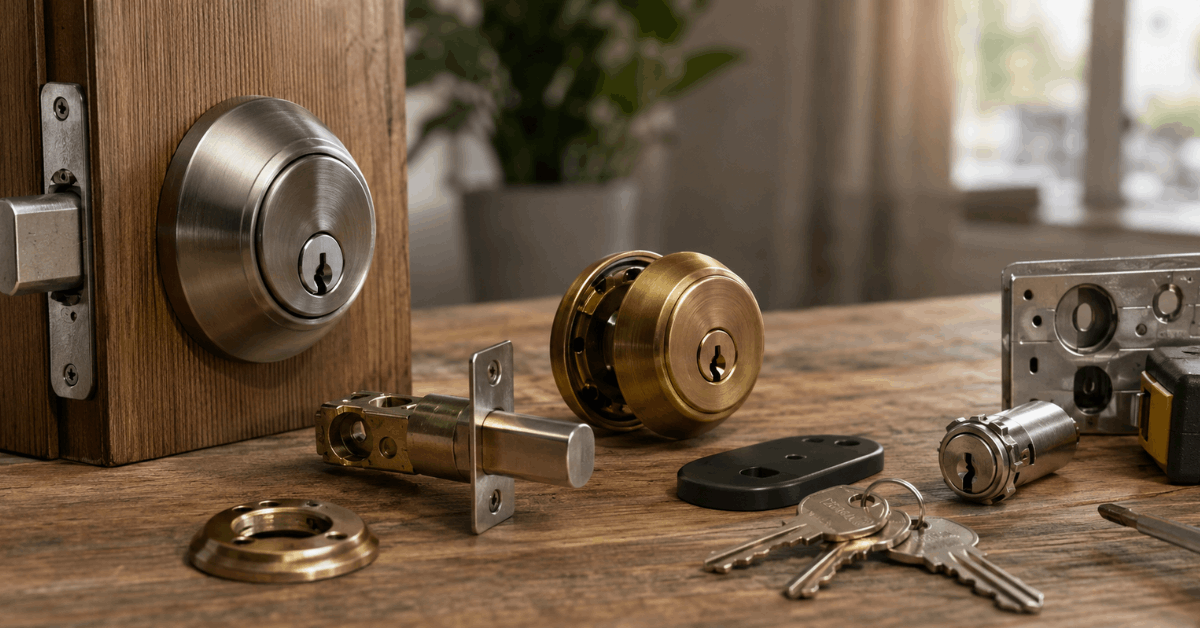
Bodies made of solid brass or reinforced steel give better resistance to sawing and hammering. Parts with plastic housings may degrade over time, especially if exposed to weather.
Look for features like anti-drill plates and 1-inch bolts. These prevent simple entry methods, supporting the lock’s long-term utility.
Compatibility with Existing Hardware
Deadbolts should physically fit alongside, above, or below the smart lock you have in mind. Measure center-to-center hole distances and thickness of your door before choosing.
If unsure, many professional installers recommend using deadbolts that align with standard 2-3/8 or 2-3/4 inch backset measurements for US doors.
Keyway and Key Control
High-security cylinders with patented keyways are harder to pick or bump. Many locksmiths suggest brands like Schlage (Primus or Everest) or Medeco for improved key control.
Restricted keyways also help limit unauthorized duplicates, which is sometimes overlooked when focusing only on smart features.
Choosing Deadbolts That Don’t Interfere with Smart Locks
Single vs. Double Cylinder Options
Single cylinder deadbolts operate with a key outside and thumb-turn inside. Double cylinder models require a key on both sides, recommended mainly for doors with nearby glass.
If pairing with a smart lock, single cylinders often work best since they don’t block quick exits. However, double cylinders do add extra safety for vulnerable glass doors, though fire safety should be considered first.
Low Profile and Smart Lock Pairing
Deadbolts with a low-profile thumb turn will allow some retrofit smart locks (like August or Yale Assure) to fit directly over the mechanism. Thicker or oddly-shaped deadbolts can create mounting headaches.
It is often helpful to search compatibility charts on both the smart lock and deadbolt manufacturer’s websites or to call their tech support before purchasing.
Matching Smart Features and Mechanical Security
Not all smart locks include a built-in bolt that meets high-grade standards. When using add-on smart locks, the separate deadbolt provides the security backbone, while the motor or actuator delivers the remote unlock function.
This setup requires a deadbolt with smooth throw action, as rough or stiff bolts can strain the motor in many smart locks, reducing life span or leading to jams.
Popular Deadbolt Models That Pair Well With Smart Locks
- Schlage B60N : Works with many retrofit smart lock products, widely installed by pros.
- Kwikset 980: Compatible thumb turn, reliable ANSI Grade 1 rating.
- Medeco Maxum: Patented high-security cylinder, fits many smart lock brackets.
- Yale Real Living Deadbolt: Works natively with select smart lock systems, UL-certified hardware.
Installation: Step-by-Step Process
- Check your door’s thickness and backset measurement to confirm fit for both the deadbolt and smart lock.
- Remove any old hardware. Clean the cavity to avoid sticking.
- Install the new deadbolt’s bolt assembly into the door edge, securing with provided screws.
- Mount the deadbolt’s exterior and interior components, ensuring the cylinder is aligned.
- Test the deadbolt’s manual operation for smooth throw before attaching the smart lock motor or adapter.
- Follow the smart lock manufacturer’s mounting guide—sometimes involving a bracket or direct rear attachment.
- Configure the smart lock via app, connecting it to Wi-Fi or your smart home controller (e.g., Apple HomeKit , Google Home, or Samsung SmartThings).
- Test both the smart unlock and the manual key operation several times to ensure there is no drag or misalignment.
Smart Lock and Deadbolt Protocols: What to Look For
Many find that interoperability matters. Smart locks using Z-Wave or Zigbee, like Yale or Schlage Encode, often integrate smoothly with major automation hubs.
Wi-Fi-enabled smart locks, such as August Wi-Fi Smart Lock, offer direct voice assistant integration but may drain batteries faster. Either approach can pair well with mechanical deadbolts if installation allows.
Some suggest using a Bluetooth-enabled smart lock for doors with unpredictable Wi-Fi coverage. The most important route is to review the manufacturer’s documentation regarding compatibility and installation quirks before buying any hardware.
Tips to Maintain Maximum Security Using Both Systems
- Change the mechanical deadbolt’s keys upon move-in for best key control.
- Perform regular firmware updates to your smart lock via the official app.
- Visually check hardware monthly for signs of tampering or misalignment.
- Opt for deadbolts with anti-snap, anti-drill, and anti-bump features—especially for doors not monitored by cameras.
- Avoid sharing digital codes via unsecured channels, and never leave backup keys hidden near the entrance.
Recommended Apps and Management Tools
The August app provides digital key sharing and access logs, useful for monitoring entry times. Schlage Home App lets users create time-limited access codes and check lock status remotely.
Yale Access App integrates with several home automation routines and can trigger notifications whenever the bolt is thrown, either manually or via the smart system.
Conclusion
Combining a robust, certified deadbolt with a high-quality smart lock creates a defense-in-depth approach that meets both modern convenience and old-fashioned reliability.
The chosen deadbolt should always match or exceed the strength rating of the smart lock, work smoothly in tandem, and be installed correctly to avoid conflicts.
Ultimately, real security comes from regular upkeep, choosing well-reviewed brands, and ensuring both electronic and mechanical components are working as intended. By following practical steps and keeping an eye on compatibility, homeowners can enjoy both safety and ease—without compromise.